The issue of clean energy has been constantly under discussion. How to better preserve clean energy and maximize its power has been our research focus all along.Easyway has been deeply engaged in the production of household storage batteries and commercial & industrial storage batteries.
Key Differences and Applications
As global energy systems transition to renewable power, energy storage has become essential for ensuring grid stability, efficiency, and energy independence. With the rapid growth of solar and wind installations, demand for reliable energy storage continues to rise across residential, commercial, and industrial sectors.
Two primary segments dominate the market: Commercial & Industrial (C&I) energy storage systems and Residential energy storage systems. While both store and manage electricity, they differ significantly in scale, application, technical complexity, and financial models.
This article details the differences, benefits, and selection criteria for C&I and residential energy storage systems.
Why Energy Storage Systems Are Essential
Renewable Energy Growth Drives Demand
Solar and wind power are intermittent—dependent on weather and time of day. This variability challenges grid stability and supply reliability.
Energy storage systems solve this by storing excess energy when production is high and releasing it during peak demand. As countries pursue decarbonization, storage has become a cornerstone of modern power systems.
Key Functions of Energy Storage Systems
- Load Shifting & Peak Shaving – Store energy during off-peak hours, use it during high-rate periods to cut costs.
- Backup Power Supply – Provide uninterrupted electricity during grid outages.
- Energy Cost Optimization – Improve efficiency and reduce operational expenses.
- Grid Stability Support – Balance supply and demand while enhancing power quality.
What Is a C&I Energy Storage System?
Definition and Typical Applications
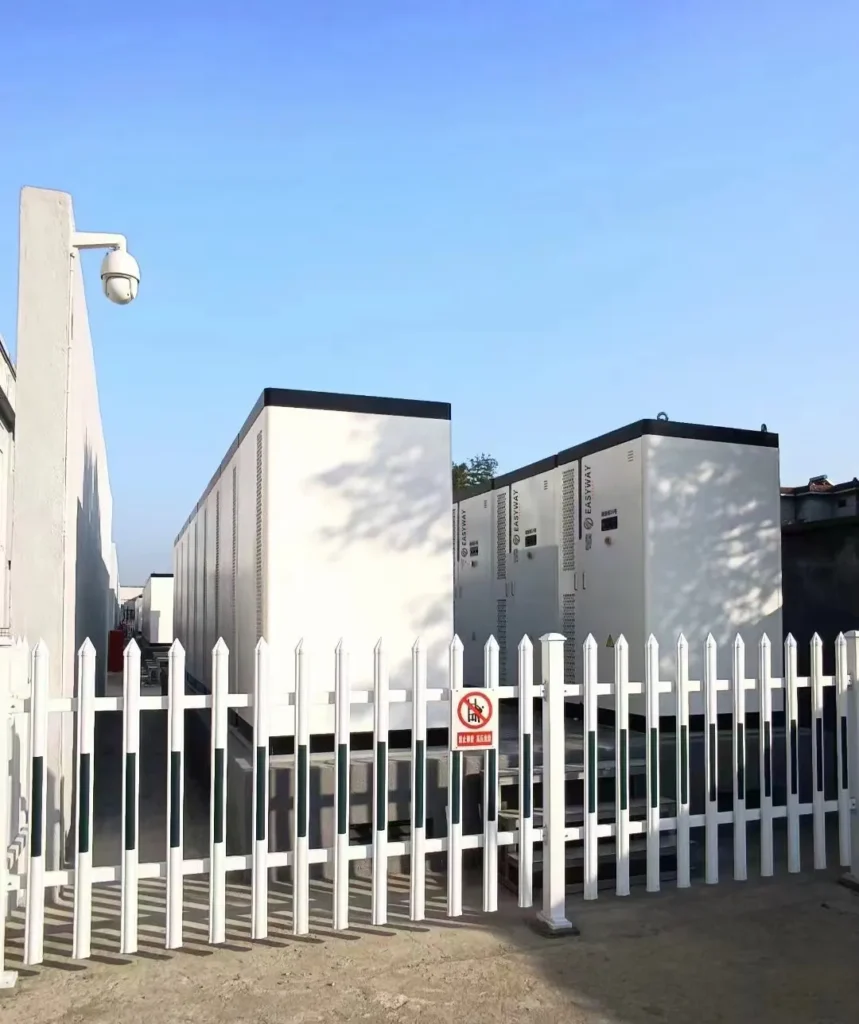
C&I systems are designed for businesses, factories, and large commercial operations with high and variable energy demands.
Common applications include:
- Manufacturing plants and industrial facilities
- Commercial buildings, shopping centers, and offices
- Data centers and telecom infrastructure
- Business parks and microgrids
Key Benefits
- Reduce Electricity Costs – Peak shaving and load lowering lower energy bills.
- Demand Response Participation – Earn incentives by reducing load during grid stress.
- Ensure Business Continuity – Prevent costly downtime with backup power.
- Meet Sustainability Goals – Support ESG commitments and reduce carbon footprints.
Technical Features
- Large-scale lithium-ion battery capacity
- Advanced Energy Management Systems (EMS)
- Multi-unit parallel architecture
- Robust thermal management and fire protection
- Compliance with industrial safety standards (UL, IEC, etc.)
What Is a Residential Energy Storage System?
Definition and Application Scenarios
Residential systems manage household energy, often paired with rooftop solar panels to store surplus solar power.
Typical uses include:
- Solar-plus-storage home systems
- Backup power during outages
- Off-grid or weak-grid solutions
Key Benefits
- Increase Energy Independence – Maximize self-consumption of solar energy.
- Lower Electricity Bills – Use stored solar energy during peak evening hours.
- Provide Backup Power – Keep essential loads (lights, refrigeration, Wi-Fi) running during outages.
- Enable Smart Home Energy Management – Monitor and control via mobile apps.
Technical Features
- Modular battery design for flexible expansion
- Compact, aesthetic form factor
- Plug-and-play installation
- Remote monitoring and control
- High safety standards for home use
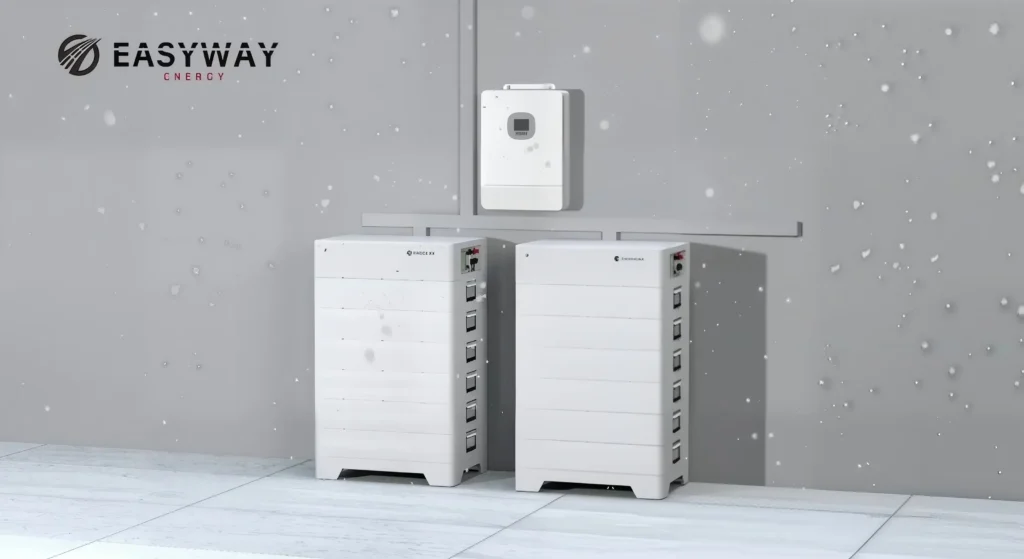
C&I vs Residential Energy Storage: Key Differences
| Aspect | C&I Systems | Residential Systems |
|---|---|---|
| Capacity & Scale | Hundreds of kWh to MWh+ | Typically 5–30 kWh |
| Primary Driver | Financial ROI (cost savings, revenue streams) | Energy independence, backup power, bill savings |
| Complexity | Custom engineering, grid integration, advanced EMS | Standardized, user-friendly, simple installation |
| Installation & Maintenance | Professional engineering required, regular maintenance | Easier installation, minimal maintenance |
How to Choose the Right Energy Storage Solution
- Analyze Energy Consumption – Businesses should review load profiles; homeowners should assess daily usage and solar generation.
- Review Local Electricity Policies – Consider time-of-use rates, net metering, and government incentives.
- Prioritize Safety & Certification – Ensure systems meet UL, IEC, or regional standards with reliable battery management.
- Select a Reputable Manufacturer – Choose experienced suppliers for quality, support, and tailored solutions.
Future Trends in Energy Storage
- Rapid C&I Market Growth – Driven by volatile energy prices and corporate sustainability goals.
- Smarter Residential Management – AI-driven optimization and improved user experience.
- Integrated Solar + Storage + EV Charging – Holistic home energy ecosystems.
- Policy Support Worldwide – Subsidies and carbon-neutral targets accelerating adoption.
Conclusion
C&I and residential energy storage systems are both vital to the clean energy transition. C&I storage focuses on large-scale financial and operational efficiency, while residential storage emphasizes self-sufficiency, backup reliability, and smart home integration.
Understanding these differences enables informed decisions for businesses and homeowners. As renewables expand, energy storage will remain foundational to the future of power.
Frequently Asked Questions
Q: What is the main difference between C&I and residential energy storage?
A: C&I systems are larger, more complex, and designed for commercial facilities; residential systems are smaller, simpler, and tailored for homes.
Q: Is C&I energy storage profitable?
A: Yes. C&I storage offers strong ROI through peak shaving, demand response earnings, and reduced operational costs.
Q: How long do residential battery systems last?
A: Most last 10–15 years, depending on battery chemistry, usage patterns, and maintenance.
Q: Can energy storage work without solar panels?
A: Yes. Solar Battery Energy Storage Systems can store grid electricity, but pairing with renewables maximizes economic and environmental benefits.