With electricity prices surging globally and extreme weather testing grid reliability, a new question is dominating the renewable energy space: Are solar batteries worth it in 2026?
Solar battery storage allows you to hoard excess solar energy generated during the day and use it at night, drastically reducing your reliance on the utility grid. However, because battery systems still require a significant upfront investment, homeowners are right to wonder if the long-term ROI justifies the initial price tag.
In this comprehensive 2026 guide, we break down exact solar battery costs, savings potential, realistic lifespans, and the specific scenarios where installing a home battery is a no-brainer—and when you should pass.
Quick Answer: Are Solar Batteries Worth It?
For the majority of homeowners in 2026, yes, solar batteries are worth it, provided you meet certain criteria. A home battery is highly recommended if:
- Your local electricity prices exceed $0.20–$0.30 per kWh.
- Your utility enforces Time-of-Use (TOU) pricing (charging more for power in the evening).
- Your area has weak or declining Net Metering policies (like California’s NEM 3.0).
- You experience frequent power outages and need reliable backup power.
If you live in an area with cheap electricity and 1-to-1 net metering, a battery might not offer a fast enough financial payback.
What Is a Solar Battery and How Does It Work?
A solar battery is a residential energy storage system designed to capture and hold the electricity generated by your solar panels.
Instead of exporting your valuable, excess daytime solar energy back to the grid for pennies, the battery stores it. When the sun goes down, your home draws from the battery rather than buying expensive power from the utility company.
The Daily Cycle of a Solar Battery:
- ☀️ Daytime Operation: Solar panels generate power ➡️ Your home consumes what it needs ➡️ Excess power charges the battery.
- 🌙 Evening Operation: Solar production stops ➡️ Your home draws stored energy from the battery ➡️ Grid power is only used if the battery depletes.
The Self-Consumption Game-Changer:
Without a battery, a home’s solar “self-consumption” typically hovers around 30% to 40%. Add a battery, and that efficiency skyrockets to 70% to 90%, keeping your money in your pocket.
Solar Battery Cost Breakdown in 2026
Cost remains the elephant in the room. Despite inflation, battery prices have stabilized and even declined per kilowatt-hour (kWh) thanks to improved manufacturing and the dominance of Lithium Iron Phosphate (LFP) technology.
Average Fully-Installed Solar Battery Costs (2026):
| Battery Capacity | Ideal For… | Typical Installed Cost |
|---|---|---|
| 5 kWh | Small homes / Basic backup | $3,000 – $5,000 |
| 10 kWh | Average homes / Overnight power | $6,000 – $10,000 |
| 15 kWh+ | Large homes / Heavy energy users | $10,000 – $15,000+ |
Note: Prices vary based on installation complexity, inverter compatibility, and whether you are retrofitting an existing solar array or buying a bundled system.
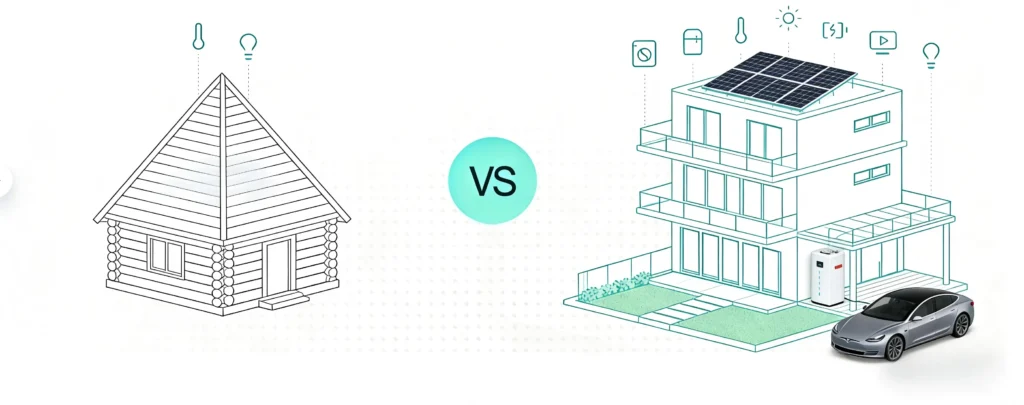
How Solar Batteries Actually Save You Money (The ROI)
A solar battery isn’t just a backup generator; it’s an active financial asset. Here is how it pays for itself:
1. Defeating Low Net Metering Rates
Utilities are increasingly slashing the rates they pay for your exported solar power. By storing your energy, you consume your own power at its full retail value rather than selling it cheap and buying it back at a premium.
2. Peak Shaving (Avoiding TOU Rates)
Many power companies charge exorbitant rates between 4 PM and 9 PM. A smart solar battery can be programmed to discharge only during these peak hours, completely shielding you from the most expensive electricity of the day.
3. Government Incentives & Tax Credits
You rarely have to pay full price. Depending on your location, you can drastically reduce upfront costs through:
- Federal Investment Tax Credits (ITC) (e.g., 30% in the US).
- State-sponsored storage rebates.
- Virtual Power Plant (VPP) programs (where the utility pays you to access your battery during grid emergencies).
4. Avoiding Outage Costs
Spoiled groceries, flooded basements (due to dead sump pumps), and hotel stays during multi-day grid failures cost money. Battery backup provides priceless peace of mind and tangible savings during extreme weather.
The Decision Matrix: Is a Battery Right for You?
When Solar Batteries Are DEFINITELY Worth It:
- High Energy Cost States/Countries: Places like California, Germany, Australia, and the UK.
- Unreliable Grids: Regions prone to hurricanes, wildfires, or rolling blackouts.
- Oversized Solar Arrays: If your panels produce way more power than you use during the day.
When Solar Batteries MAY NOT Be Worth It:
- 1-to-1 Net Metering: If your utility still pays you retail rates for exported power, the grid is essentially acting as your free, unlimited battery.
- Cheap Local Electricity: If you pay less than $0.12/kWh, the ROI timeline for a battery stretches too far out.
Lifespan and 2026 Technology Trends
How long do solar batteries last?
Most modern residential lithium batteries last 10 to 15 years. They typically come with a 10-year warranty, guaranteeing at least 70% capacity retention after 6,000 to 8,000 charge cycles.
2026 Tech Trends You Need to Know:
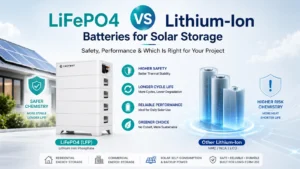
- LFP Dominance: Lithium Iron Phosphate (LiFePO4) has officially replaced older lithium-ion chemistries. They don’t catch fire, last twice as long, and operate safely in extreme temperatures.
- AI Energy Management: Modern battery apps use AI and weather forecasting to predict your energy needs and optimize when to charge and discharge for maximum savings.
- Modular Stacking: You no longer need to buy massive systems upfront. In 2026, you can buy a 5kWh module today and click another one onto it next year as your budget allows.
Final Verdict
Are solar batteries worth it in 2026? For the modern homeowner facing rising utility costs and grid instability, the answer is a resounding yes.
While the upfront cost is significant, the combination of advanced LFP safety, AI-driven energy savings, and the rapid decline of favorable net metering policies makes residential energy storage an essential component of the future home.
FAQ: What Homeowners Are Asking (2026 Edition)
How much does a 10kWh solar battery cost in 2026?
The average cost of a 10 kWh residential solar battery ranges from $6,000 to $10,000, fully installed. This price can be lowered significantly by applying federal tax credits and local rebates.
Can solar panels work during a power outage without a battery?
No. Standard grid-tied solar panels shut down automatically during a blackout for safety reasons. To keep your solar panels running and your home powered during an outage, a solar battery is required.
How long will a 10kWh battery run a house?
A 10kWh battery can typically run essential loads (refrigerator, internet, lights, TV, and occasional microwave use) for 12 to 24 hours. If paired with active solar panels during the day, it can keep essential circuits powered indefinitely.
Do solar batteries increase home value?
Yes. Studies show that homes equipped with solar + battery storage systems sell faster and at a premium, as buyers highly value built-in energy efficiency and blackout protection.