
When I think about choosing a lithium ion solar battery, I realize how crucial this decision is for my energy needs. Selecting the right battery can significantly boost my energy efficiency and save money in the long run. For instance, lithium-ion batteries allow me to harness more solar energy during cloudy days, which enhances my system’s overall efficiency. However, I must consider my specific energy requirements and how they align with the battery’s specifications. This careful match can make all the difference in maximizing my solar investment.
Key Takeaways
- Assess your daily and seasonal energy use by reviewing bills and noting peak appliance times to choose a battery that fits your needs.
- Understand key battery specs like capacity, lifespan, safety, and efficiency to pick a lithium-ion battery that works best for your home.
- Compare battery types carefully; lithium-ion batteries offer high efficiency, long life, and low maintenance compared to lead-acid and flow batteries.
- Consider total costs including purchase, installation, maintenance, and warranties to find the best value over time.
- Match battery capacity, efficiency, and compatibility with your solar system to ensure reliable power and maximize savings.
Assessing Energy Needs

To choose the right lithium ion solar battery, I first need to assess my energy needs accurately. Understanding how much energy I consume daily is crucial for selecting a battery that can meet those demands. Here’s how I approach this assessment:
- Review My Electricity Bills: I start by analyzing my electricity bills from the past year. This helps me determine my average daily energy consumption. I divide my monthly kilowatt-hour (kWh) usage by 30 to estimate my daily needs.
- Consider Seasonal Variations: Energy consumption can vary significantly throughout the year. I pay attention to seasonal changes, especially during winter when solar generation may be lower. This ensures I account for periods when I might need more battery capacity.
- Identify Peak Usage Times: I take note of when I use the most energy. For instance, appliances like refrigerators and washing machines consume a lot of power. Here’s a quick look at some common household appliances and their typical power usage:
| Appliance | Typical Power Usage (Watts) | Notes on Usage and Impact on Solar Consumption |
|---|---|---|
| Refrigerator | 100-400 | Runs ~30% of the time; average ~230W hourly; daily ~5.52 kWh |
| Television | 30-200 | Varies by type: LED (30-100W), LCD (50-150W), OLED (50-200W), CRT (60-150W), Plasma (100-300W) |
| Washing Machine | ~850 | Usage depends on duration; average power consumption for typical cycles |
By understanding these wattages, I can identify which appliances contribute most to my energy use and adjust my habits accordingly.
- Plan for Battery Autonomy: I aim for at least three days of battery autonomy. This means I want my battery to provide power for three days without sunlight. This is especially important during extended cloudy periods.
- Account for Future Needs: I also consider future energy requirements, such as charging an electric vehicle or adding new appliances. This foresight helps me avoid underestimating my needs.
- Use Tools and Calculators: I leverage online tools to estimate my energy requirements. For example, I can enter my zip code to get average winter sun hours and input all my electrical loads to calculate the system size I need. This ensures I have a conservative estimate that meets my energy demands even in less-than-ideal conditions.
By following these steps, I can accurately assess my energy needs and make informed decisions about the right lithium ion solar battery for my home. This careful planning not only maximizes my solar investment but also enhances my energy independence.
Understanding Battery Specifications

When I dive into the world of lithium ion solar batteries, I quickly realize that understanding battery specifications is essential for making an informed choice. Each specification plays a crucial role in how well the battery meets my energy needs. Here are the key specifications I focus on:
- Energy Density: Lithium-ion batteries pack a powerful punch in a compact size. This means I can store more energy in less space, which is perfect for my home setup.
- Charging Speed: I appreciate that these batteries support fast charging. This feature allows me to quickly return to full power, especially after cloudy days when my solar panels might not have generated enough energy.
- Safety Requirements: A Battery Management System (BMS) is vital. It prevents overcharging and overheating, ensuring my battery operates safely and efficiently.
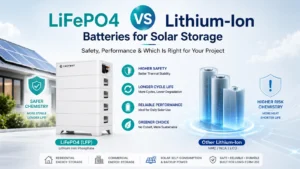
- Lifespan: I consider the number of charge cycles and long-term durability. For instance, lithium iron phosphate (LiFePO4) batteries generally offer longer life, making them a worthwhile investment.
- Weight and Size: Compared to bulkier alternatives, lithium-ion batteries are lighter and more compact. This makes installation easier and less intrusive in my living space.
- Cost: I evaluate the initial cost against long-term expenses, including maintenance and replacement. A higher upfront investment can lead to savings over time.
- Environmental Impact: I think about the manufacturing process and recyclability. LiFePO4 batteries tend to be safer and more recyclable, which aligns with my eco-friendly values.
- Voltage and Amp-Hour Ratings: These ratings are crucial for matching my system requirements. Common voltages range from 6V to 48V, and amp-hours typically span from 3Ah to 100Ah.
- Application Context: For my solar power system, I weigh safety and longevity against high energy density and compactness. This balance helps me choose the right battery for my specific needs.
To relate battery capacity to my daily energy consumption, I first calculate my total daily energy use. I list my appliances, their wattage, and hours of use, converting this to kilowatt-hours (kWh). Seasonal variations and peak load times also affect my energy demand. I ensure that the battery capacity, measured in kWh, covers 1-3 days of critical load usage. This guarantees reliability during low solar production periods.
One critical aspect I pay attention to is the Depth of Discharge (DoD). This percentage indicates how much of the battery’s capacity I can use without harming its lifespan. Lithium-ion batteries allow a high DoD range of 80% to 95%, sometimes even up to 100%. This flexibility means I can utilize more energy compared to lead-acid batteries, which typically recommend a DoD of about 50%. However, I must manage DoD carefully. Deeper discharges can accelerate chemical degradation, reducing the battery’s cycle life.
Here’s a quick comparison of round-trip efficiency rates among popular battery types:
| Battery Type | Round-Trip Efficiency (RTE) |
|---|---|
| Lithium-ion | 90% or higher |
| Lead-acid | Approximately 70% |
| Flow batteries | 50% to 75% |
| Metal-air batteries | As low as 40% |
This table shows that lithium-ion solar batteries have significantly higher efficiency rates than other common battery technologies. This efficiency supports their suitability for solar energy storage.
Comparing Battery Types
When I explore different battery types for solar energy storage, I find that each option has its strengths and weaknesses. Understanding these differences helps me make an informed choice. Here’s a breakdown of the three main types: lithium-ion, lead-acid, and flow batteries.
Lithium-Ion Batteries
Lithium-ion batteries, particularly Lithium Iron Phosphate (LFP), stand out for their high energy density and efficiency. They offer a cycle life of 2,000 to 5,000 cycles, which translates to about 5.5 to 13.7 years of daily use. I appreciate their minimal maintenance requirements and high charging efficiency of over 95%. This means I can quickly recharge my battery after cloudy days.
Lead-Acid Batteries
Lead-acid batteries are the oldest technology in the market. They typically last 3 to 5 years, with a maximum of 1,000 cycles. Their lower initial cost might seem appealing, but I notice that they require regular maintenance, such as checking water levels. Their efficiency ranges from 70% to 80%, which is significantly lower than lithium-ion batteries.
Flow Batteries
Flow batteries are an emerging technology that offers a long lifespan of 15 to 25 years. They can handle 100% depth of discharge, which means I can use all their stored energy without damaging them. However, they come with higher upfront costs and require annual maintenance checks.
Here’s a quick comparison of these battery types based on performance metrics:
| Performance Metric | Lithium-Ion (LFP) Batteries | Lead-Acid Batteries | Flow Batteries |
|---|---|---|---|
| Cycle Life | 2,000 to 5,000 cycles (5.5 to 13.7 years daily use) | Up to 1,000 cycles (<3 years daily use) | Potential for very long duration storage |
| Depth of Discharge (DoD) | 80% or more usable capacity | ~50% recommended to avoid damage | Not specified |
| Charging Efficiency | >95% | 80-85% | Not specified |
| Maintenance | Minimal to none | Regular water top-ups, ventilation needed | Annual professional maintenance required |
Evaluating Costs and Warranties
When I consider purchasing a lithium ion solar battery, I know that evaluating costs and warranties is crucial. The initial price can be daunting, often starting around $1,000 or more. In contrast, lead-acid batteries may seem attractive at around $200. However, I remind myself that lithium-ion batteries offer superior longevity and efficiency. This means I can expect fewer replacements and better energy utilization over time. In fact, I could potentially reduce my electricity costs by up to 90% with the right battery choice.
I also pay attention to the total cost of ownership. Several factors influence this, including:
- Initial Purchase Cost: Higher upfront prices for lithium-ion batteries are offset by their longer lifespan.
- Installation Costs: Professional installation can vary, but lithium-ion systems often require less complexity.
- Maintenance Expenses: I appreciate that lithium-ion batteries need minimal maintenance, which lowers ongoing costs.
- Battery Replacement: With longer cycle lives, I face fewer replacements, which saves money in the long run.
Warranties play a significant role in my decision-making process. Most manufacturers offer warranties that last at least 10 years. These warranties typically cover defects and performance degradation below a certain threshold, often around 70% capacity. I find it reassuring that if my battery fails or degrades prematurely, I have protection.
Here’s a quick overview of common warranty terms:
| Warranty Aspect | Typical Terms / Details |
|---|---|
| Warranty Duration | Usually 10-15 years; industry standard around 10-12 years |
| Capacity Retention | Minimum 70% capacity retention guaranteed at end of warranty period |
| Cycle / Throughput Limits | Many warranties include cycle limits that can end warranty early if exceeded |
| Coverage | Replacement of faulty equipment or capacity degradation below threshold |
| Exclusions | Labor, installation errors, environmental damage, and theft |
Understanding these warranty conditions helps me maximize the lifespan and reliability of my battery. I ensure that I operate within specified limits to avoid voiding my warranty. By carefully evaluating costs and warranties, I can make a more informed decision that aligns with my energy needs and budget.
Making an Informed Decision
When I finally decide to purchase a lithium ion solar battery, I focus on several key criteria to ensure I make the best choice. Here’s how I approach this important decision:
- Match Battery Capacity to My Needs: I ensure the battery capacity aligns with my peak power requirements, typically measured in amp-hours. This guarantees I have enough energy storage for my daily usage.
- Consider Lifespan Factors: I pay attention to the depth of discharge, charge cycles, and operating temperature. These factors significantly affect how long my battery will last.
- Evaluate Round-Trip Efficiency: I look for batteries with high round-trip efficiency, ideally between 90-95%. This minimizes energy loss during charging and discharging, maximizing my usable energy.
- Check Ambient Temperature Ratings: I consider the working temperature range of the battery. This ensures it performs well in my local climate, enhancing its longevity.
- Assess Peak Power Output: I need to know the maximum power the battery can deliver. This is crucial for meeting my instantaneous load demands, especially during peak usage times.
- Review Maintenance Needs: I appreciate that lithium-ion batteries generally require minimal upkeep compared to lead-acid alternatives. This saves me time and effort in the long run.
- Understand Compatibility: I verify that the battery integrates well with my existing solar system. This includes checking inverter types and ensuring my solar panels align with the battery’s requirements.
- Analyze Financial Impact: I consider the total cost of ownership, including potential savings on my electricity bill and available incentives. This helps me understand the return on investment.
By following these steps, I can confidently choose a lithium ion solar battery that meets my energy needs efficiently and safely. I also find it helpful to read expert reviews and user testimonials. These insights provide real-world experiences that guide my decision-making process. Combining expert advice with customer feedback helps me narrow down my options and select a reliable battery that fits my lifestyle.
Matching my energy needs with the right lithium ion solar battery is crucial for optimizing performance and efficiency. Research shows that selecting a battery tailored to my specific requirements can enhance energy utilization and reduce costs. I encourage everyone to conduct thorough research before making a purchase. Understanding the benefits of lithium-ion technology can lead to significant long-term savings and reliability. Investing in the right battery not only supports my energy independence but also contributes to a sustainable future.