In Simple Terms: Home energy storage is like installing a giant “power bank” for your house. It stores electricity from solar panels or cheap off-peak grid power, then uses it when you need it most. The key is choosing the right “brain” (management systems) and “heart” (battery quality) to truly save money while staying safe.
🎯 Remember These 3 Key Points
- Money-Saving Secret: You need a smart energy management system that automatically charges when electricity is cheap and discharges when it’s expensive
- Safety First: The battery management system is crucial – quality products like EASYWAY’s battery management system prevent batteries from overheating and exploding
- Longevity = Profit: The battery’s cycle life determines how many years it takes to pay for itself.

What is Home Energy Storage? Why Should You Get One?
Picture this:
- Daytime: Solar panels generate excess power – store it!
- Evening: Peak hours with expensive electricity rates – use your stored power!
- Power outage: Your storage system automatically kicks in!
A complete home energy storage system is like having your own mini power plant, consisting of:
| Component | What It Does | How to Choose |
|---|---|---|
| Battery | Stores electrical energy | Look for cycle count and battery grade |
| Battery Management System | Keeps batteries safe | Must have overheat protection |
| Energy Management System | Smart power scheduling | Should automatically recognize electricity pricing |
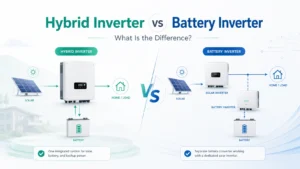
| Inverter | Converts DC to household AC power | Check conversion efficiency |
The System’s “Brain”: Two Management Systems You Need to Understand
Energy Management System (EMS) – Your Money-Saving Butler
Think of this as your “penny-pinching butler” that monitors 24/7:
- Are electricity rates high or low right now?
- What’s tomorrow’s weather? (Predicts solar generation)
- How much power is the house currently using?
The best energy management system should:
- Auto Buy Low, Sell High: Automatically charge when rates are cheap, discharge when expensive
- Learn Your Habits: Understand your family’s morning and evening usage patterns
- Mobile Control: Check your savings anytime on your phone
Battery Management System (BMS) – Your Life-Saving Security Guard
This is your safety “bodyguard,” constantly monitoring each battery cell for:
- Is the temperature getting too hot?
- Is the voltage overloading?
- Is charging going too far?
EASYWAY’s battery management system is a perfect example – it can detect problems and automatically respond within 0.001 seconds, preventing battery overheating and explosions. This “active balancing” technology lets strong batteries help weak ones, like smart students tutoring struggling classmates.

Battery Lifespan: Determines How Many Years You’ll Use It
What is Cycle Life?
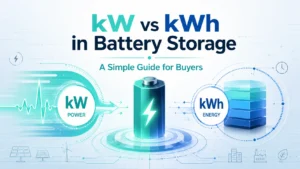
Simply put: How many times can this battery charge and discharge?
Each time you fully charge and then use up the battery counts as 1 cycle. For example, with 6,000 cycle life, if you charge/discharge once daily, you can use it for 6,000÷365≈16 years.
How Many Cycles Are Good Enough?
Home energy storage batteries should have 6,000-10,000 cycle life. Anything below 4,000 cycles should be immediately rejected because:
- 8,000 cycles =21-22 years of use
- 6,000 cycles = approximately 16 years of use
- 4,000 cycles = only 11 years of use
- The longer it lasts, the lower your cost per kilowatt-hour
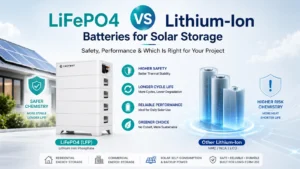
[View High-Capacity LiFePO4 Battery Systems -]
UNIV7600(H) Stackable High-Voltage Battery
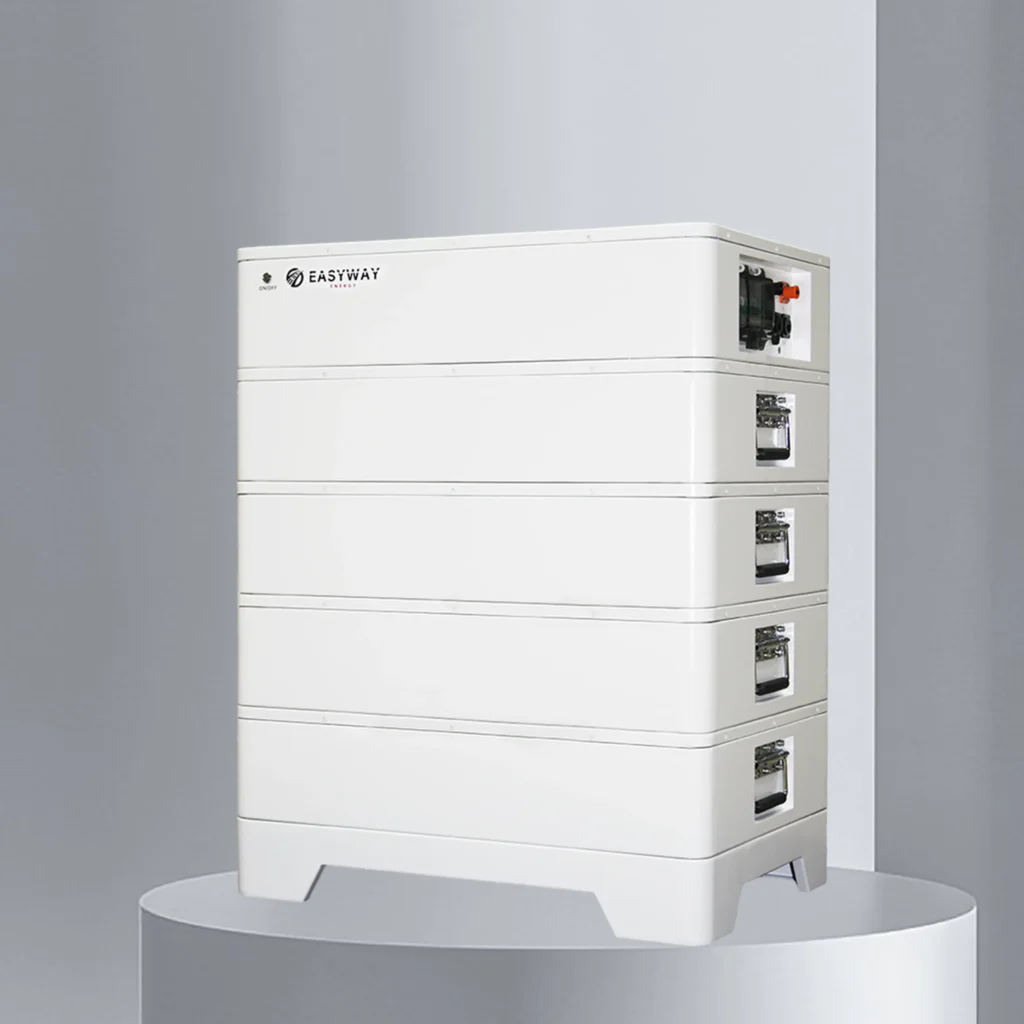
These systems offer:
- 6000+ cycle life
- Stable performance in extreme temperatures
- Expandable capacity for different energy needs
How to Ensure Long Battery Life?
The key is the battery’s “pedigree”:
- A-Grade Batteries: Perfect factory specs with excellent consistency
- B-Grade Batteries: Minor flaws that reduce lifespan
- Second-Life Batteries: Used batteries recycled from electric vehicles
EASYWAY’s A-grade batteries set the industry standard – every single battery performs identically, preventing any “weak link” from dragging down the entire system’s lifespan.
4-Step Buying Guide: Even Beginners Can Choose Right
Step 1: Calculate Your Home’s Electricity Usage
Check your electricity bill and calculate daily average consumption. Most homes use 15-30 kWh per day.
Step 2: Choose Batteries by Their “Core”
Don’t just look at brand names – ask what batteries are inside. Insist on A-grade batteries (like EASYWAY standards). Though slightly more expensive upfront, they’re more cost-effective long-term.
Step 3: Confirm Safety Protection
Ask if the battery management system includes:
- Overtemperature protection
- Overcharge protection
- Short circuit protection
- Active balancing function
Step 4: Test the Management Software
Download the manufacturer’s app and see if it can:
- Show real-time generation and consumption
- Automatically charge when electricity is cheap
- Remote control via smartphone
Can I buy the energy management system and battery management system separately?
No. They work in a hierarchical relationship – the battery management system handles safety while the energy management system handles savings. You need both.
Why is cycle life more important than capacity?
Because what determines value is “cost per kilowatt-hour.” A cheap, high-capacity battery that only lasts 5 years will cost more overall than a slightly more expensive, smaller battery that lasts 15 years.
Is there a big difference between A-grade and regular batteries?
Huge difference. Every A-grade battery performs identically, avoiding the “weakest link” problem. Regular batteries often see some cells deteriorate faster after a few years, affecting the entire system.