Choosing the right solar light batteries is crucial for maximizing performance and longevity. I’ve learned that the right battery can significantly extend the lifespan of my solar lights, which typically ranges from 5 to 15 years. For instance, lithium-ion batteries often last longer than lead-acid ones. I recommend assessing your specific needs, such as how frequently you use your lights and the environmental conditions they face. 👉 Looking for a reliable solar battery solution?
If you’re using solar lights frequently or in harsh environments, choosing a high-performance lithium battery system can make a huge difference in lifespan and stability.
🔋 Explore our recommended solar battery solutions.
This evaluation helps ensure you select the best option for your situation, ultimately saving you time and money.
Key Takeaways
- Choose lithium-ion batteries for longer life and better efficiency, but consider lead-acid batteries if you need a budget-friendly option.
- Match battery capacity to your solar light usage to ensure longer illumination, especially during cloudy days or low sunlight.
- Keep batteries in proper temperature conditions and avoid overcharging or deep discharging to extend their lifespan.
- Regularly clean solar panels and inspect batteries to maintain charging efficiency and optimal performance.
- Select trusted battery brands with good warranties and read user reviews to find reliable and durable solar light batteries.
Types of Solar Light Batteries
When it comes to solar light batteries, I’ve discovered that several types are commonly used, each with unique characteristics. Understanding these options helps me make informed decisions for my solar lighting needs. Here’s a breakdown of the most popular types:
| Battery Type | Characteristics & Advantages | Typical Applications |
|---|---|---|
| Lead-Acid (Flooded & GEL) | Cost-effective and reliable, these batteries require maintenance (flooded) or minimal maintenance (GEL). They are durable and widely used. | Budget-conscious setups, off-grid solar systems, and backup power. |
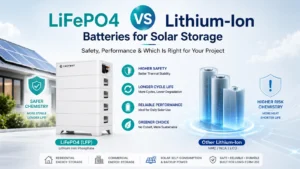
| Lithium-Ion (including LiFePO4) | Known for high energy density and efficiency, lithium-ion batteries are compact and have a long lifespan. They are safe and stable, making them ideal for various applications. | Residential solar systems, solar street lights, and portable solar systems. |
| Nickel-Cadmium (Ni-Cd) | These batteries are durable and perform well in extreme temperatures. However, they are being phased out due to environmental concerns. | Commonly found in commercial and industrial solar energy storage. |
| Nickel-Metal Hydride (NiMH) | More eco-friendly than Ni-Cd, NiMH batteries are suitable for high-drain devices. They have a higher self-discharge rate but are a great alternative for solar lighting applications. | Often used in solar lighting due to their environmental benefits. |
I personally prefer lithium-ion batteries for my solar lights. Their long lifespan and efficiency make them worth the investment. I also appreciate that they are lighter and more compact than lead-acid batteries. However, if you’re on a budget, lead-acid batteries can still serve you well, especially in less demanding applications.
Pro Tip: For users looking for long-term energy storage (beyond small solar lights), lithium battery systems like LiFePO4 are the best choice.
If you’re upgrading from basic solar lights to a full home or outdoor energy system, you can consider a scalable solution like:
👉 [View High-Capacity LiFePO4 Battery Systems →]
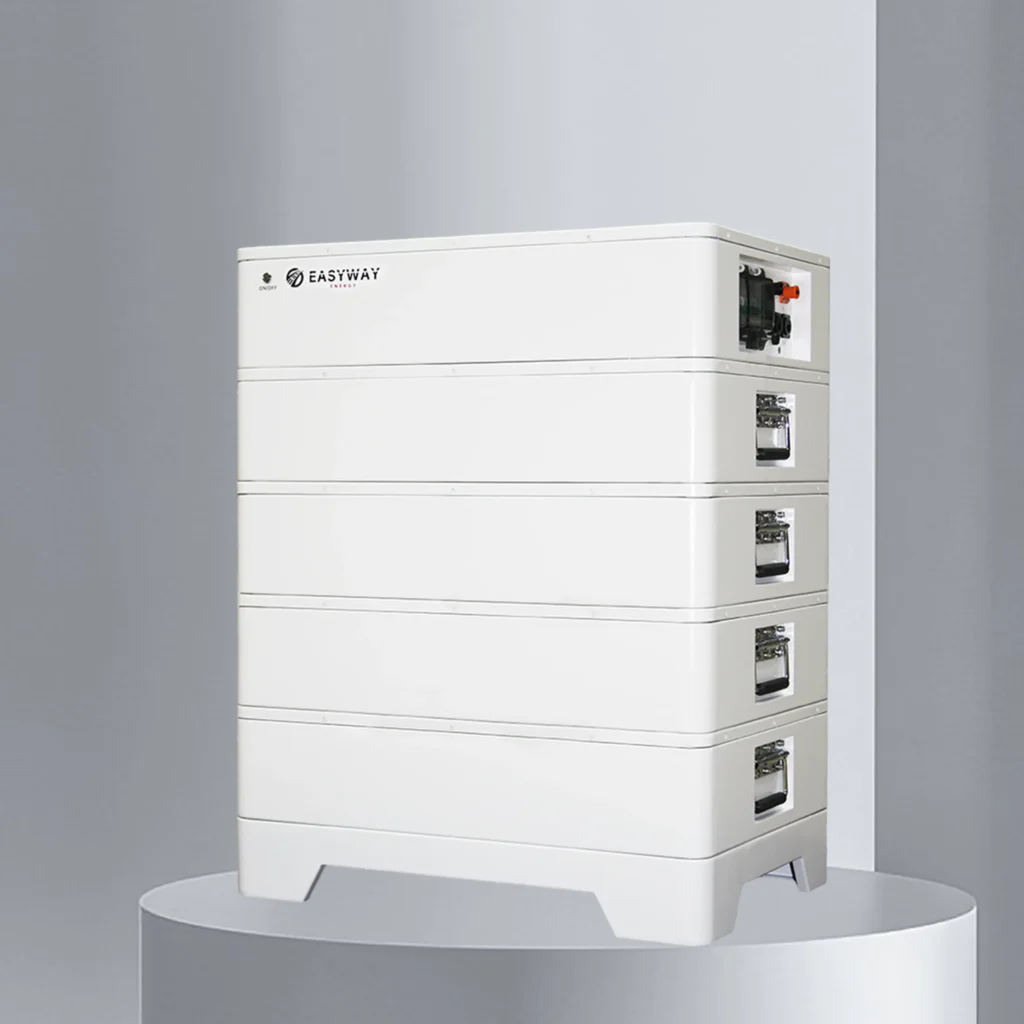
These systems offer:
✔ 6000+ cycle life
✔ Stable performance in extreme temperatures
✔ Expandable capacity for different energy needs
Characteristics of Solar Light Batteries
When I consider the characteristics of solar light batteries, several factors come to mind that directly impact their performance and suitability for my needs. Here’s what I’ve learned about these essential components:
- Self-Discharge Rate: This rate indicates how quickly a battery loses its charge when not in use. I find that lithium-ion batteries, including Lithium-Iron-Phosphate (LFP) variants, have very low self-discharge rates. They lose minimal charge, which is a significant advantage for solar light applications. In contrast, lead-acid batteries have a higher self-discharge rate, typically between 5% and 15% per month. This means they can lose a substantial amount of charge if left idle for too long. Here’s a quick comparison:
| Battery Type | Self-Discharge Rate | Additional Notes |
|---|---|---|
| Lead-Acid | 5% to 15% per month | Rate increases with temperature |
| Nickel-Cadmium | Lower than lead-acid | Long cycle life, broad temperature range, but toxic cadmium content |
| Lithium-Ion | Minimal charge loss (very low) | High energy density, minimal maintenance |
| Lithium-Iron-Phosphate (LFP) | Very low (similar to lithium-ion) | Better thermal stability, low toxicity |
- Cycle Life: The cycle life of a battery refers to how many times it can be charged and discharged before its capacity significantly diminishes. I’ve noticed that lithium-ion batteries typically offer a longer cycle life compared to other types. For instance, lithium-ion batteries can last for 1000 to 1500 cycles, while Lithium-Iron-Phosphate batteries can exceed 2000 cycles. In contrast, Nickel-Metal Hydride (NiMH) batteries usually last for 500 to 1000 cycles. This longevity means I can rely on lithium-ion batteries for extended periods without frequent replacements.
| Battery Type | Average Cycle Life (Charge Cycles) | Typical Lifespan in Solar Lighting |
|---|---|---|
| NiMH | 500–1000 cycles | 1–2 years |
| NiCd | N/A (legacy type, specific cycles not stated) | N/A |
| Li-ion | 1000–1500 cycles | 2–3 years (up to 4 years with good management) |
| LiFePO₄ | 2000–3000+ cycles | 3–5+ years |
- Temperature Sensitivity: I’ve learned that temperature variations can significantly affect battery performance. High temperatures can accelerate degradation, leading to reduced lifespan and capacity loss. For example, elevated temperatures can increase self-discharge rates and decrease the number of effective charge-discharge cycles. To mitigate these effects, I ensure proper ventilation and avoid placing batteries near heat sources.
- Voltage Ratings: Understanding the voltage ratings of solar light batteries is crucial for compatibility with solar panels and controllers. Most solar light batteries come in standard voltages like 3V, 6V, 12V, and 24V. For instance, a 12V battery typically pairs with a solar panel that outputs around 18V to 36V. This alignment ensures proper charging and system stability, preventing damage and inefficiency.
| Battery Voltage | Controller Voltage | Typical Panel Voltage Range |
|---|---|---|
| 3V | 3V | ~6V |
| 6V | 6V | ~9V to ~12V |
| 12V | 12V | ~18V to ~36V |
| 24V | 24V | ~36V to ~48V |
- Battery Capacity: The capacity of a battery, measured in milliamp-hours (mAh) or amp-hours (Ah), determines how long my solar lights can operate. For example, a 1000mAh battery typically provides 4-6 hours of illumination, while a 3000mAh battery can last 8-12 hours. Higher capacity batteries allow for longer operation times, especially during cloudy days or low sunlight conditions. This characteristic is vital for ensuring that my solar lights remain functional when I need them most.
Pros and Cons of Solar Light Batteries
When I evaluate solar light batteries, I find it essential to weigh their pros and cons. Each type has its strengths and weaknesses, which can significantly impact my solar lighting experience. Here’s what I’ve discovered:
Pros of Solar Light Batteries
- Durability: Many batteries, especially NiMH, withstand harsh environmental conditions. They perform well in extreme heat and cold, making them reliable for outdoor use.
- Low Maintenance: I appreciate that NiMH batteries require minimal upkeep. They can last over ten years, which reduces long-term costs.
- Rechargeable: Solar light batteries efficiently use solar energy. They recharge during the day, allowing for sustainable lighting at night.
- Environmentally Friendly: NiMH batteries are recyclable and lack toxic heavy metals, making them a safer choice for the environment.
- High Energy Density: I find that batteries like lithium-ion store more energy in a compact size, providing brighter and longer-lasting light.
Cons of Solar Light Batteries
- Initial Cost: Lithium-ion batteries often come with a higher upfront cost compared to alternatives like NiMH. However, their longevity can offset this expense over time.
- Environmental Concerns: Some batteries, like NiCd, contain toxic materials. Improper disposal can lead to pollution, which is a significant drawback for me.
- Memory Effect: NiCd batteries suffer from this issue, which can reduce their efficiency and lifespan. This makes them less appealing for my solar lighting needs.
- Temperature Sensitivity: Extreme temperatures can affect battery performance. I’ve noticed that high heat can lead to faster degradation, especially in lead-acid batteries.
Factors Influencing Solar Light Battery Performance
When I think about the performance of my solar light batteries, several key factors come to mind. Understanding these factors helps me maintain optimal performance and extend the lifespan of my solar lights.
- Battery Age: Over time, I’ve noticed that solar light batteries degrade. They typically need replacement every 2-4 years to sustain optimal performance. As batteries age, their ability to hold a charge diminishes. For instance, I’ve found that lithium-ion batteries last longer than NiMH or NiCd batteries. If I want my lights to shine brightly, I must replace them regularly.
- Charging Efficiency: The efficiency of charging plays a crucial role in battery performance. I’ve learned that solar panels convert sunlight into electrical energy, which is stored in the batteries. If the panels are dirty or shaded, they won’t charge effectively. I make it a point to clean my solar panels regularly to maximize charging efficiency. This ensures that my batteries receive the energy they need to perform well.
- Weather Conditions: I’ve experienced firsthand how weather can impact battery longevity. Extreme temperatures, heavy rain, and high humidity can all reduce battery efficiency. For example, I’ve noticed that excessive moisture can lead to corrosion, which shortens battery life. I try to choose solar lights designed to withstand harsh weather conditions to mitigate these effects.
- Overcharging and Deep Discharging: I’ve learned that both overcharging and deep discharging can harm my batteries. Overcharging can cause overheating, leading to permanent damage. On the other hand, deep discharging stresses the internal components. I aim to recharge my batteries before they drop below 50% capacity to avoid these issues. Using a battery management system helps me keep track of their health.
By considering these factors, I can ensure that my solar light batteries perform at their best. Regular maintenance and timely replacements make a significant difference in the longevity and efficiency of my solar lights.
Recommendations for Solar Light Batteries
When it comes to selecting the perfect replacement batteries for my solar lights, I’ve found that certain brands and types consistently deliver excellent performance. Here are my top recommendations based on reliability, capacity, and user reviews:
- POWEROWL NiMH Batteries: With a capacity of 2800 mAh, these batteries stand out for their eco-friendliness and durability. They come with a three-year warranty, making them ideal for medium-duty outdoor solar yard lights and pathway markers. I appreciate how they resist over-discharge, ensuring my lights stay bright even during extended cloudy periods.
- Tenergy LiFePO4 Batteries: These batteries are budget-friendly and can withstand harsh weather conditions. They offer over 1,000 charge cycles, which is impressive. I find them particularly suitable for outdoor solar lights that require long-term reliability. Their ability to retain 95% capacity even at -20°C makes them a top choice for anyone living in colder climates.
- Brightown NiMH Batteries: With a capacity of 1300 mAh, these compact batteries are reliable for garden lights and low-drain decorative fixtures. I’ve used them in my garden, and they perform well, providing consistent illumination throughout the night.
- EBL NiMH Batteries: These lightweight batteries come with a portable charging case, making them convenient for quick replacements. Their efficiency in energy storage has made them a staple in my solar lighting setup.
- KINSUN NiMH Batteries: Affordable and durable, these batteries are perfect for low-drain solar fixtures like pathway markers or accent lights. I appreciate their cost-effectiveness without compromising performance.
Here’s a quick comparison of these recommended brands:
| Brand | Battery Type | Capacity (mAh) | Key Strengths and Suitability for Solar Lights |
|---|---|---|---|
| POWEROWL | NiMH | 2800 | High capacity, eco-friendly, 3-year warranty, ideal for medium-duty outdoor solar yard lights and pathway markers. Durable in moderate temperatures and resists over-discharge. |
| Tenergy | LiFePO4 | N/A | Budget-friendly, over 1,000 charge cycles, withstands harsh weather, ideal for outdoor solar lights requiring long-term reliability. |
| Brightown | NiMH | 1300 | Compact and reliable, suitable for garden lights and low-drain decorative fixtures. |
| EBL | NiMH | 1100 | Lightweight, portable with charging case, efficient energy storage for quick replacements. |
| KINSUN | NiMH | 900 | Affordable, durable for low-drain solar fixtures like pathway markers or accent lights. |
In addition to choosing the right brand, I also consider the warranty terms. Most reputable brands offer warranties ranging from 10 to 15 years, covering manufacturer defects and performance guarantees. This assurance gives me peace of mind, knowing that I can rely on my batteries for years to come.
When selecting solar light batteries, I also pay attention to user reviews. Many users recommend higher capacity NiMH batteries (like those from Tenergy) for better performance under frequent charge/discharge cycles. I’ve learned that while capacity is essential, the quality of the solar panels and sunlight exposure also plays a crucial role in overall performance.
To maximize the lifespan of my solar light batteries, I follow best practices such as regularly cleaning and inspecting them, monitoring charge cycles, and avoiding overcharging. These steps help ensure that my batteries remain efficient and reliable.
By considering these recommendations and insights, I can confidently choose the best solar light batteries for my needs, ensuring my outdoor spaces remain beautifully illuminated.
Ready to upgrade your solar battery performance?
Choosing the right battery is just the first step. A high-quality energy storage system can significantly improve efficiency, reduce maintenance, and extend lifespan.
Find the right solution for:
✔ Residential solar storage
✔ Outdoor lighting systems
✔ Off-grid applications
Selecting the right solar light batteries is essential for ensuring optimal performance and longevity. I’ve learned that key characteristics, such as battery type, capacity, and efficiency, significantly impact my solar lighting experience. Here are some important factors to consider:
- Battery Type: Lithium-ion batteries, especially LiFePO4, offer long lifespans and low maintenance. Lead-acid batteries can be budget-friendly but may require more upkeep.
- Capacity and Efficiency: Match the battery capacity to your energy needs to avoid shortages. Higher efficiency means better performance.
- Environmental Conditions: Consider how temperature and humidity affect battery performance. Choose batteries designed for your specific climate.
I encourage you to evaluate your personal needs before purchasing. Understanding your energy consumption patterns will help you select the best solar light batteries for your situation.
Frequently Asked Questions About Solar Light Batteries
What is the best battery type for solar lights?
Lithium-ion batteries, especially LiFePO4, are considered the best due to their long lifespan, high efficiency, and low maintenance. NiMH batteries are also a good budget-friendly option for small solar lights.
How long do solar light batteries last?
Most solar light batteries last between 1 to 5 years depending on the type:
– NiMH: 1–2 years
– Lithium-ion: 2–4 years
– LiFePO4: 3–5+ years
Proper maintenance can extend their lifespan.Can I replace solar light batteries with higher capacity ones?
Yes, as long as the voltage is the same. Higher capacity (mAh or Ah) batteries will allow your solar lights to run longer.
Why are my solar lights not lasting all night?
Common reasons include:
– Low battery capacity
– Dirty or shaded solar panels
– Old or degraded batteries
Upgrading to a higher-quality battery system can solve this issue.Are lithium batteries better than lead-acid for solar lights?
Yes. Lithium batteries offer:
– Longer lifespan
– Higher efficiency
– Faster charging
Lead-acid batteries are cheaper but require more maintenance and have shorter lifespans.Can solar batteries be used for home energy storage?
Yes. Advanced lithium battery systems can be used for:
– Home solar storage
– Backup power
– Off-grid systems
👉 Consider scalable LiFePO4 systems for better long-term performance.