Hybrid energy storage systems play a vital role in enhancing renewable energy integration. They improve efficiency and reliability, making our energy supply more stable. I’ve seen how these systems tackle the challenges of renewable sources, like wind and solar, which can be unpredictable. By optimizing energy management, they help to lower costs and boost the viability of renewables. In fact, the global energy storage market nearly tripled in 2023, highlighting the growing importance of these systems in our transition to cleaner energy.
Key Takeaways
- Hybrid energy storage systems (HESS) combine different technologies to improve energy management and reliability.
- HESS enhance grid stability by quickly responding to energy demands, ensuring a consistent power supply.
- Implementing HESS can lead to significant cost savings, reducing both capital and operating expenses.
- These systems support renewable energy integration, helping to lower greenhouse gas emissions and combat climate change.
- HESS have diverse applications, from construction sites to data centers, providing reliable power and improving efficiency.
Understanding Hybrid Energy Storage Systems
Hybrid energy storage systems (HESS) combine multiple energy storage technologies to enhance performance. I find this integration fascinating because it allows us to leverage the strengths of different systems. For instance, a typical HESS might include lithium-ion batteries, supercapacitors, and flywheels. Each of these technologies plays a unique role in optimizing energy management.
Here are the main components and technologies I often see in hybrid energy storage systems:
- Energy Storage Technologies: This includes batteries, supercapacitors, flywheels, and hydrogen fuel cells.
- Power Electronics: These devices convert and manage energy flow between storage units and the grid.
- Energy Management System (EMS): This system controls and optimizes energy distribution and charging cycles.
- Monitoring Systems: Sensors and AI track system performance and detect faults.
The combination of these technologies allows HESS to address the intermittency of renewable energy sources effectively. For example, high-power storage systems can respond quickly to energy demands, while high-energy systems provide sustained power over longer durations. This balance enhances efficiency and reliability in energy management.
I’ve seen research that highlights how combining lithium-ion batteries with thermal storage technologies can significantly improve the utilization of renewable energy sources, such as photovoltaic (PV) systems. This integration not only reduces carbon emissions but also lowers energy costs. It’s clear that hybrid systems offer a robust solution to the challenges posed by renewable energy intermittency.
However, implementing a hybrid energy storage system does come with its challenges. The initial costs are generally higher due to the integration of multiple technologies. Additionally, managing these systems can be more complex, requiring advanced control systems. Despite these challenges, the long-term savings potential makes HESS an attractive option for many applications.
Advantages of Hybrid Energy Storage Systems
Hybrid energy storage systems (HESS) offer numerous advantages that make them a game-changer in the clean energy landscape. I’ve seen firsthand how these systems enhance efficiency, reduce costs, and improve reliability. Here are some key benefits that stand out to me:
- Enhanced Grid Stability: HESS significantly improve grid stability. They provide rapid response capabilities for frequency regulation and voltage support. This means they can quickly adjust to changes in energy demand, ensuring a consistent power supply.
- Peak Shaving and Load Shifting: These systems excel at peak shaving and load shifting. By managing energy supply during high-demand periods, HESS reduce strain on the grid. This optimization leads to better energy management and cost savings for consumers.
- Critical Backup Power: I find it reassuring that hybrid systems ensure critical backup power during outages. They maintain power quality for essential services, which is crucial for hospitals, data centers, and other vital infrastructure.
- Cost Reduction: Implementing a hybrid energy storage system can lead to significant cost savings. I’ve learned that capital expenditures can decrease by 10 to 20 percent, while operating costs can drop by as much as 30 percent. Additionally, model predictive control techniques can further reduce operational costs by up to 35 percent.
- Environmental Benefits: HESS contribute to a cleaner environment. They significantly lower greenhouse gas emissions and align with global sustainability goals, such as those outlined in the Paris Accord. By utilizing renewable resources, these systems help combat climate change and reduce the carbon footprint associated with conventional energy production.
- Improved Performance: Hybrid systems address the limitations of individual energy storage technologies. They enhance both energy-oriented and power-oriented performance, ensuring safe and efficient operation. This integration allows for better energy management and investment returns.
Here’s a quick overview of how different configurations of hybrid energy storage systems can support peak shaving and load leveling:
| HESS Configuration | Description |
|---|---|
| Power-to-heat/battery | Combines thermal and electrical storage to manage energy supply and demand effectively. |
| Power-to-heat/battery/hydrogen | Integrates hydrogen storage for enhanced energy management and flexibility. |
| Supercap/battery | Utilizes supercapacitors for rapid response to load changes alongside batteries. |
| Battery/battery | Employs multiple battery systems for improved energy distribution and reliability. |
Applications of Hybrid Energy Storage Systems in Renewable Energy
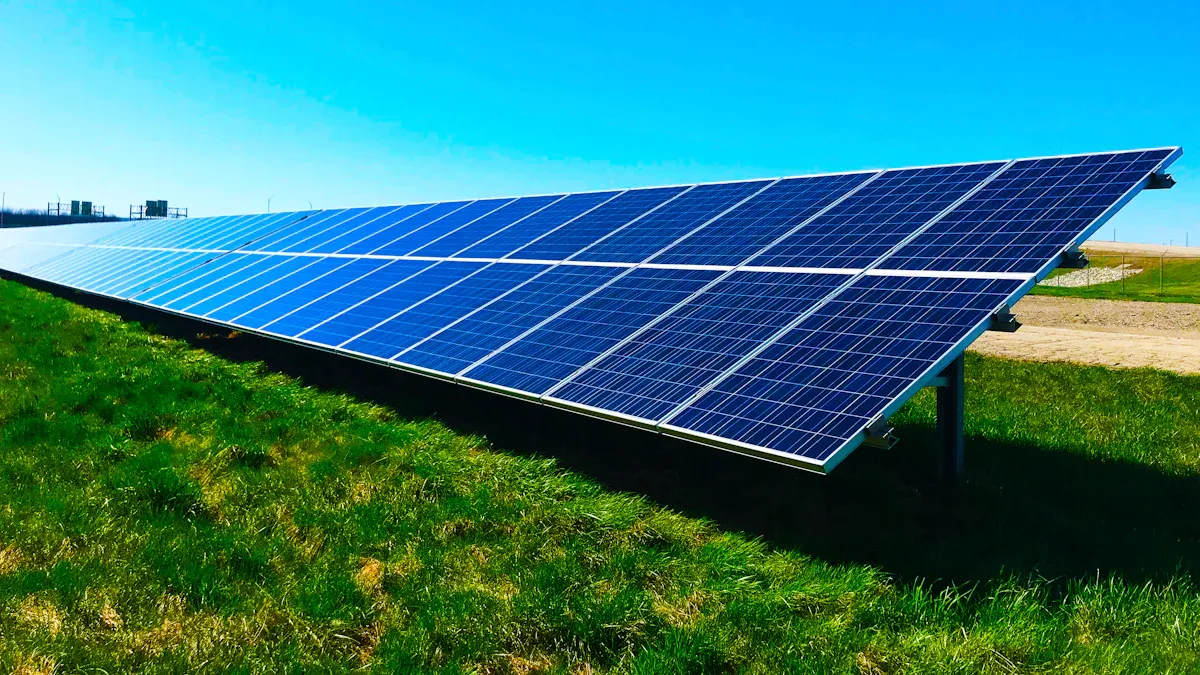
I find the applications of hybrid energy storage systems (HESS) in renewable energy projects to be incredibly diverse and impactful. These systems play a crucial role in various sectors, enhancing efficiency and reliability. Here’s a look at some key application areas where I see HESS making a significant difference:
| Application Area | Description |
|---|---|
| Construction Sites | I’ve observed that hybrid systems share loads with diesel generators, making heavy-duty equipment more efficient. |
| Manufacturing Facilities | They manage power fluctuations during production and equipment startups, ensuring smooth operations. |
| High-Altitude Areas | In challenging environments, HESS provide stable power support, even in subzero temperatures. |
| Mining Sites | These systems support heavy equipment loads while maintaining operational efficiency. |
| Data Centers | I appreciate how HESS ensure instant backup power and extended runtime during outages. |
| Rental Service Companies | They seek energy solutions that lower carbon footprints and reduce total cost of ownership. |
| Telecommunication Sites | Reliable power from HESS maintains uninterrupted connectivity, avoiding service disruptions. |
| Utility Companies | I’ve seen how hybrid storage helps with frequency regulation, peak demand management, and renewable integration. |
| Microgrids | HESS balance intermittent renewables with consistent power delivery, enhancing overall system reliability. |
| Outdoor Events | These systems provide reliable energy support for fluctuating loads and high-power equipment in quiet operations. |
| Agricultural Operations | I find it fascinating how HESS power irrigation systems and processing equipment with reliable energy storage. |
In solar and wind power integration, hybrid energy storage systems improve efficiency significantly. They provide grid support services like voltage support and peak shaving. I’ve learned that these systems stabilize voltage levels by injecting or absorbing reactive power, which is crucial in areas with high concentrations of wind farms. They also facilitate the use of excess wind power during off-peak hours, ensuring a steady electricity supply during peak demand.
Overall, the versatility of hybrid energy storage systems in renewable energy applications is impressive. They not only enhance performance but also contribute to a more sustainable future.
Case Studies of Hybrid Energy Storage Systems
I find it inspiring to look at real-world examples of hybrid energy storage systems (HESS) in action. These case studies demonstrate the tangible benefits and challenges of implementing HESS across various sectors. Here are some notable instances that caught my attention:
- Mobile Energy Storage Units in Illinois: These units provide backup power during severe weather events. They ensure critical facilities, like hospitals, maintain operations when the grid fails. I appreciate how they also deploy during peak demand periods to prevent grid overload, especially in high-consumption areas. Additionally, these mobile systems have proven invaluable in disaster recovery efforts, such as maintaining power at emergency shelters during storms.
- Belgium’s Energy Storage Assessment: A comprehensive study in Belgium evaluated different energy storage configurations, including Battery Energy Storage Systems (BESS), Hydrogen Energy Storage Systems (H2ESS), and HESS. The findings revealed that HESS demonstrated greater competitiveness compared to H2ESS alone. This integration enhances microgrid flexibility and facilitates deeper decarbonization while increasing renewable energy production.
I also came across a table that highlights the operational efficiency of renewable energy projects with hybrid storage systems:
| Indicator | Case I (Baseline) | Case II (Renewable Sources) | Case III (With EVPLs) |
|---|---|---|---|
| Operating Cost (MOC) | Highest | Decreased by 35.1% | Decreased by 40.9% |
| Energy Loss (MEL) | Highest | Decreased by 24.3% | Decreased by 33.5% |
| Voltage Drop (MVD) | Highest | Decreased by 46.7% | Decreased by 53.3% |
| Peak Load Carrying Capability (PLCC) | Lowest | Increased by 34.2% | Increased by 55.3% |
| Voltage Security Index (MSI) | Lowest | Increased by 10.6% | Increased by 20.2% |
| Maximum Overvoltage (MOV) | Above limit | Below limit | Reduced by 64.5% |
These results show how hybrid energy storage systems can significantly improve operational efficiency. However, I also learned about the challenges faced during implementation. Key issues include:
- Complexity of control systems
- High costs
- Reliability concerns
- Efficiency issues
These case studies illustrate the potential of hybrid energy storage systems to transform our energy landscape. They highlight the importance of continued innovation and investment in this field.
Future Trends in Hybrid Energy Storage Systems
As I look ahead, I see exciting trends shaping the future of hybrid energy storage systems (HESS). The market is evolving rapidly, and I believe these advancements will significantly impact how we harness renewable energy.
One major trend is the rise of long-duration energy storage solutions. These technologies will allow us to store energy for extended periods, making it easier to balance supply and demand. I find it fascinating that the global HESS market was valued at $11.93 billion in 2021 and is projected to reach $22.30 billion by 2030. This growth reflects the increasing demand for efficient energy storage systems.
Here are some key advancements I anticipate in the coming years:
- Innovative Materials: New materials like solid-state batteries and lithium iron phosphate (LFP) will enhance energy density and safety. I’m particularly excited about silicon anodes, which promise faster charging times and increased capacity.
- Regulatory Support: Policymakers are recognizing the importance of energy storage in achieving grid stability. I see new frameworks emerging that will facilitate the integration of HESS into our energy systems. For instance, the EU’s Clean Energy legislation aims to reduce barriers to energy storage, which is crucial for integrating renewables.
- Emerging Business Models: I believe that models like energy-as-a-service (EaaS) will gain traction. These models allow businesses to deploy energy storage solutions without hefty upfront investments, making it easier for small and medium-sized enterprises to participate in the clean energy transition.
- Cybersecurity Standards: As we rely more on interconnected energy storage systems, I expect to see a push for robust cybersecurity measures. Protecting these systems from cyber threats will be essential for maintaining grid reliability.
Hybrid energy storage systems are essential for the clean energy transition. They tackle the challenges faced by renewable energy sources, such as intermittency and performance limitations. I believe that continued investment in HESS will drive advancements in technology and efficiency.
Here are some key factors fueling this investment:
- Technological innovations improve energy density and charging cycles.
- Regulatory frameworks support the growth of hybrid systems.
- The demand for renewable energy solutions drives investment in solar and wind combinations.
By adopting HESS, we can enhance reliability, maximize efficiency, and improve grid stability. The future of clean energy depends on our commitment to these innovative solutions. 🌱