Innovative strategies in commercial energy storage systems are vital for enhancing performance and sustainability. The global market for these systems was valued at approximately USD 15 billion in 2023 and is projected to reach USD 45 billion by 2032. This growth signifies a compound annual growth rate (CAGR) of 12.5%.
Recent advancements have shown that energy storage can absorb surplus renewable energy, potentially cutting the need for additional capacity by 24–44%. By adopting these innovations, businesses not only improve efficiency but also contribute to a greener future, making adaptation to the changing energy landscape essential.
Key Takeaways
- Adopting innovative battery technologies, like solid-state and lithium iron phosphate batteries, can enhance energy storage efficiency and safety.
- Integrating artificial intelligence into energy storage systems optimizes performance, reduces costs, and improves sustainability for businesses.
- Hybrid energy storage systems combine multiple technologies, offering reliability and flexibility, which can help businesses maintain operations during outages.
- Staying informed about market trends, such as AI integration and alternative battery technologies, is crucial for businesses to remain competitive in the energy storage sector.
- Addressing challenges like regulatory hurdles and safety concerns proactively can position businesses for success in the evolving landscape of energy storage.
Advancements in Battery Technologies
The landscape of commercial energy storage systems is rapidly evolving, primarily due to advancements in battery technologies. I find it fascinating how these innovations can significantly enhance efficiency and safety. Here are some of the most recent breakthroughs that I believe will shape the future of energy storage:
- Solid-state batteries: These batteries utilize solid materials instead of liquid electrolytes. This change not only enhances energy density but also improves safety by reducing risks associated with leaks and fires. I see solid-state batteries as a game-changer for commercial applications, as they can store more energy in a smaller volume, leading to longer ranges for electric vehicles.
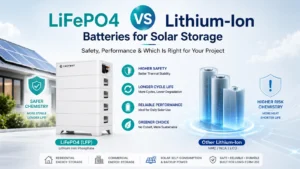
- Lithium iron phosphate (LFP) cathodes: The adoption of LFP cathodes has improved performance and market share in electric vehicles. I appreciate how this technology offers a safer alternative while maintaining efficiency.
- Silicon anodes: Exploring silicon as an alternative to graphite for anodes presents exciting possibilities. Silicon anodes can provide increased energy density and faster charging times, which I believe will be crucial for meeting the demands of modern energy storage.
- Lithium-oxygen batteries: These batteries are under development for high-capacity energy storage. Their potential to store large amounts of energy makes them an attractive option for commercial energy storage systems.
- Biomass-derived anodes: Innovations in using biomass for anodes can lead to cost-effective solutions. I see this as a step toward more sustainable energy storage options.
- High-loading K-Se batteries: These batteries, along with advanced recycling methods for lithium and graphite, are paving the way for more efficient resource use. I am excited about the potential of these technologies to reduce waste and improve sustainability.
Over the past five years, I have noticed a consistent decline in capital expenditures (CAPEX) for advanced battery technologies. Projections indicate cost reductions ranging from 17.5% to 52% by 2035. This trend is driven by innovations in battery chemistry and increased production scale. As a business owner, I find this encouraging, as lower costs can lead to wider adoption of commercial energy storage systems.
The environmental benefits of next-generation battery technologies are also noteworthy. For instance, solid-state batteries and lithium-sulfur batteries can reduce carbon emissions by 15% to 31% compared to traditional lithium-ion batteries. This reduction is significant, especially in regions with a higher share of renewable energy. I believe that as we transition to cleaner energy sources, the environmental advantages of these technologies will only increase.
The Role of Artificial Intelligence

Artificial intelligence (AI) is transforming the landscape of commercial energy storage systems. I find it exciting how AI can optimize performance, reduce costs, and enhance sustainability. Here are some key ways AI is making a difference:
- Optimizing Energy Storage: AI plays a crucial role in optimizing battery energy storage systems (BESS). It helps with placement, sizing, charge/discharge scheduling, and control. These optimizations lead to improved performance of energy storage networks. For instance, I’ve seen how AI models can reduce reliance on the grid, especially in areas with time-of-use pricing, which enhances savings for businesses.
- Smart Charging Strategies: Companies like APsystems utilize deep learning to analyze solar production and energy usage. Their ‘BESS AI’ model generates customized battery charging strategies. This approach leads to smarter energy storage management and significant cost savings. I believe that as more businesses adopt these technologies, they will see a marked improvement in their energy efficiency.
- Predictive Maintenance: AI also excels in predictive maintenance. It can forecast battery degradation and component failures, which helps extend the lifespan of energy storage systems. I’ve learned that predictive maintenance can reduce unplanned downtime and lower maintenance costs. Studies indicate potential savings of up to 30%. This capability increases equipment availability by 20%, contributing to overall operational efficiency.
- Energy Management Systems: AI-driven energy management systems can adjust temperature and lighting based on occupancy and weather conditions. For example, Google’s DeepMind AI reduced cooling energy usage in data centers by 40% through predictive adjustments. Such advancements show how AI can identify inefficiencies and suggest operational shifts to off-peak hours, leading to significant cost savings.
- Challenges and Considerations: While AI offers numerous benefits, it also presents challenges. The rapid rise of AI leads to unprecedented energy demand growth, straining the global energy system. Reliable energy supply is essential to meet the growing demands of AI technologies. Additionally, integrating AI into energy storage systems can put pressure on grid infrastructure. Managing the unpredictability of energy generation from renewable sources remains a challenge that AI can help address.
Hybrid Energy Storage Systems
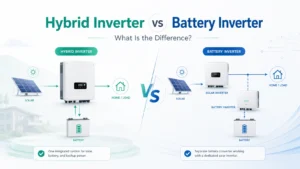
Hybrid energy storage systems represent a significant advancement in commercial energy storage systems. I find these systems particularly appealing because they combine multiple technologies to enhance reliability and flexibility. By integrating various components, businesses can optimize their energy management strategies. Here are the key components I believe are essential for hybrid systems:
- Solar panels (PV)
- Battery storage
- Inverters
- Energy management system (EMS)
These components work together to create a robust energy solution. I appreciate how hybrid systems can improve reliability. They feature a redundant design that ensures backup power during grid failures. This capability maintains the operation of critical loads, which is crucial for business productivity.
Moreover, Battery Energy Storage Systems (BESS) provide reliable backup power during outages. I have seen firsthand how this reliability prevents downtime and keeps operations running smoothly. Hybrid systems can also switch modes based on grid status. This flexibility allows them to draw from the grid when necessary, ensuring an uninterrupted power supply.
The combinations of energy storage technologies in hybrid systems are fascinating. For instance, I often see the following combinations in commercial applications:
| Energy Storage Technology Combination | Description |
|---|---|
| Supercapacitors and Lithium-Ion Batteries | Commonly used for low-voltage applications, enhancing capacitance and power density. |
| Flow Batteries | Suitable for long-duration discharge cycles with lower degradation over time. |
| Solid-State Batteries | Offers superior safety and energy density, emerging in commercial use. |
| Thermal and Mechanical Storage | Includes methods like ice tanks and flywheel systems for specific industries. |
| Hydrogen Fuel Cells | Gaining traction for zero-emission, long-duration energy solutions. |
I believe that adopting hybrid energy storage systems can provide businesses with a competitive edge. The ability to harness multiple energy sources not only enhances efficiency but also aligns with sustainability goals. As the energy landscape continues to evolve, I encourage businesses to explore these innovative solutions.
Market Trends Influencing Energy Storage
The commercial energy storage landscape is changing rapidly, driven by several key market trends. I find it essential to stay informed about these trends as they can significantly impact business decisions. Here are some of the most influential trends I’ve observed:
- AI Integration: The adoption of artificial intelligence is accelerating. Falling battery prices and supportive policies are driving this trend. I believe that AI can optimize energy storage systems, making them more efficient and cost-effective. Projections indicate that the average cost of energy storage will drop to USD 115 per kilowatt-hour (kWh) by 2024.
- Alternative Battery Technologies: Innovations in battery technologies, such as sodium-ion batteries, are gaining traction. These alternatives offer cost advantages and can complement existing lithium-ion solutions. I see this as a promising development, with investments in solid-state research reaching USD 830 million.
- Lithium-Ion Dominance: Despite the emergence of new technologies, lithium-ion batteries will continue to dominate the market. I find it reassuring that projections estimate the lithium-ion market will reach USD 140.51 billion by 2033. This dominance reflects the reliability and efficiency of these batteries.
- Grid-Scale Energy Storage: The demand for grid-scale energy storage solutions is expected to grow significantly. I’ve seen estimates suggesting this market could reach USD 9.9 billion by 2025. This growth will enhance grid stability and support renewable energy integration.
- Hydrogen and Thermal Storage: The hydrogen and thermal storage markets are also on the rise. I believe these technologies will play a crucial role in achieving zero-emission goals. The hydrogen market alone is projected to reach USD 31.04 billion by 2033.
Government policies have also influenced these trends. Incentives like the Investment Tax Credit (ITC) and the Inflation Reduction Act (IRA) make energy storage systems more financially viable. These policies lower initial investment costs and improve returns for businesses adopting energy storage solutions.
As I look to the future, I encourage businesses to embrace these trends. They present opportunities for innovation and growth in the commercial energy storage sector.
Challenges and Solutions
Commercial energy storage systems face several challenges that can hinder their growth and effectiveness. I believe understanding these challenges is crucial for businesses looking to adopt energy storage solutions. Here are some of the key obstacles and potential solutions I’ve identified:
- Regulatory Challenges: Navigating the complex landscape of regulations can be daunting. Different regions have varying rules that complicate market entry. I find it essential for businesses to stay informed about local regulations. Here’s a quick overview of the regulatory challenges:
| Challenge | Description |
|---|---|
| Planning | Accurate projections of costs and benefits are necessary for integrating storage technologies with the grid. |
| Regulation | Varying rules across regions create a complex landscape for developers, complicating market navigation. |
| Valuation | Profit potential varies by region due to differing local market rules and regulations. |
- Safety Concerns: Safety is critical in energy storage systems. Risks can arise at every stage of the battery lifecycle. I’ve seen how companies address these concerns by establishing safety practices, including:
- Developing incident response protocols.
- Characterizing and minimizing safety hazards.
- Adhering to established safety standards.
- Financial Challenges: Securing funding for commercial energy storage projects can be tough. I recommend exploring various strategies to overcome these financial hurdles:
| Strategy | Description |
|---|---|
| Grants and subsidies | Direct funding to lower capital expenditures. |
| Power Purchase Agreements (PPAs) | Long-term contracts that guarantee a buyer for stored energy, providing revenue certainty. |
| Strong Business Case | Highlighting revenue potential and risk mitigation strategies. |
- Technological Limitations: Current technologies may not meet all energy storage needs. I see promising developments in long-duration energy storage and thermal storage systems. These technologies can store energy for extended periods, balancing renewable resources effectively.
By addressing these challenges head-on, businesses can position themselves for success in the evolving landscape of commercial energy storage systems. I encourage companies to stay proactive and adaptable to thrive in this dynamic environment.
In summary, the landscape of commercial energy storage systems is evolving rapidly. Key innovations like Battery Management Systems (BMS), hybrid energy storage systems, and alternative battery technologies are reshaping the market. These advancements enhance efficiency and reduce costs, making it essential for businesses to adopt new strategies.
I believe that leveraging AI and integrating renewable energy sources can provide a significant competitive advantage. The future looks promising, with projections indicating substantial growth in energy storage capacity. Companies that adapt to these changes will thrive in this dynamic environment.
Remember, staying ahead in the energy storage sector requires embracing innovation and being proactive in strategy development.