When choosing an inverter battery, I often find myself weighing the differences between lead-acid and lithium-ion options. Each type has its unique strengths. For instance, lithium-ion batteries boast a higher energy density, meaning they store more energy in a smaller package. In contrast, lead-acid batteries are heavier and bulkier, requiring more space for the same energy output. Additionally, lithium-ion batteries charge faster and have a longer cycle life, while lead-acid batteries demand regular maintenance. Understanding these differences can help you make the best choice for your needs.
Key Takeaways
- Lithium-ion batteries store more energy, charge faster, and last longer than lead-acid batteries, making them ideal for high energy needs and limited space.
- Lead-acid batteries cost less upfront but need regular maintenance and more frequent replacements, which can increase long-term expenses.
- Lithium-ion batteries offer higher efficiency and stable voltage, providing more usable energy and better performance over time.
- Maintenance for lead-acid batteries involves regular checks and water refills, while lithium-ion batteries require minimal care thanks to built-in safety systems.
- Choosing the right battery depends on your budget, energy needs, and maintenance preferences; lithium-ion suits long-term, high-demand use, while lead-acid fits simpler, budget-friendly setups.
Lead-Acid Inverter Battery Overview
Lead-acid inverter batteries have been around for decades, and I find them to be a reliable choice for many applications. These batteries come in two main categories: flooded (wet cell) and sealed (valve-regulated lead-acid or VRLA). Each type has its unique features and benefits.
- Flooded Lead-Acid Batteries: These require regular maintenance, such as checking water levels. They are ideal for situations where you can manage upkeep. Flooded batteries offer longer life and can handle high discharge cycles. However, they can gas during charging, which means they need proper ventilation.
- Sealed Lead-Acid Batteries (VRLA): These batteries are maintenance-free and come in two subtypes: Absorbent Glass Mat (AGM) and Gel. AGM batteries charge faster and are less prone to spillage. Gel batteries perform better in extreme temperatures, making them suitable for various environments.
Here’s a quick overview of the average technical specifications for lead-acid inverter batteries used in residential applications:
| Battery Type | Voltage Options | Lifespan (Years) | Maintenance Requirements | Performance Characteristics |
|---|---|---|---|---|
| Flooded Lead-Acid | 12V, 24V, 48V | 3-5 | Requires regular water checks | Good for high discharge cycles; may gas during charging |
| Absorbent Glass Mat (AGM) | 12V, 24V, 48V | 5-7 | Maintenance-free | Better performance than flooded; faster charging |
| Gel Battery | 12V, 24V, 48V | 5-7 | Maintenance-free | Safe, less prone to spillage; good deep cycle capability |
Deep-cycle lead-acid batteries are particularly popular for inverter applications. They handle frequent discharges well, making them perfect for off-grid systems. I appreciate their low cost and good temperature performance, but I also recognize their limitations, such as lower energy density and slower charging times.
Lithium-Ion Inverter Battery Overview
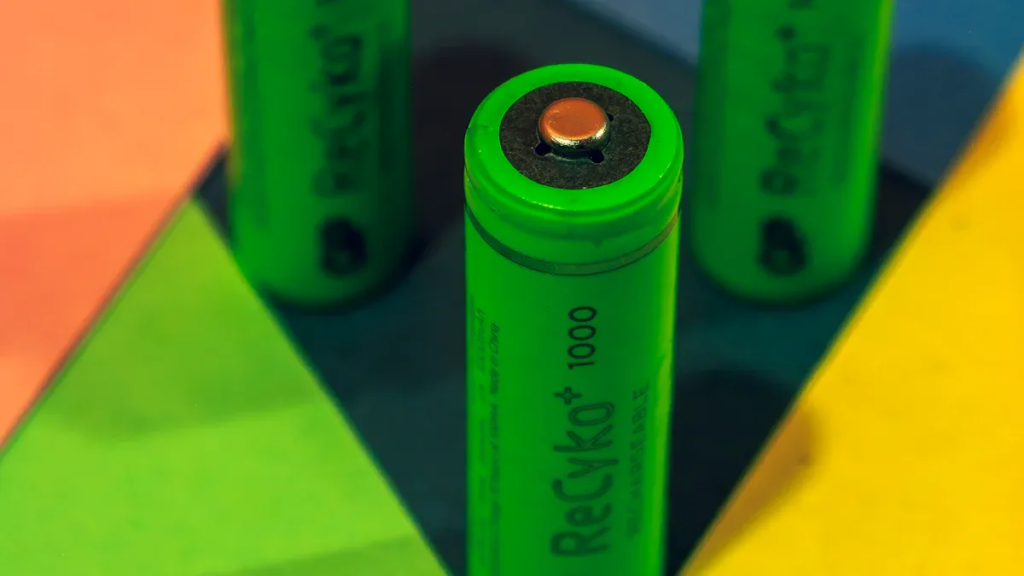
Lithium-ion inverter batteries have revolutionized the energy storage landscape. I find their lightweight design and high energy density particularly appealing. These batteries can store more energy in a smaller space compared to lead-acid options. This feature makes them a popular choice for various applications, including electric vehicles (EVs), renewable energy systems, and consumer electronics.
Several types of lithium-ion batteries exist, each with unique characteristics and use cases. Here’s a quick overview:
| Battery Type | Key Characteristics | Typical Use Cases |
|---|---|---|
| Lithium Iron Phosphate (LFP) | Safer, long cycle life (2,000-5,000 cycles), lower cost, lower power density | Energy Storage Systems (ESS), stationary storage |
| Lithium Nickel Manganese Cobalt (NMC) | High energy & power density, moderate safety, shorter cycle life (1,000-2,000 cycles) | Electric Vehicles (EVs) |
| Lithium Nickel Cobalt Aluminum Oxide (NCA) | Higher energy density than NMC, prone to thermal runaway, similar cycle life (1,000-2,000) | Electric Vehicles (EVs) |
| Lithium-Ion Manganese Oxide (LMO) | Quick charge, high power, shorter cycle life (500-800 cycles), lower cost | Portable power tools, some EVs |
| Lithium-Ion Cobalt Oxide (LCO) | Low power, short lifespan (500-1,000 cycles), low thermal stability | Lightweight consumer electronics (laptops, smartphones) |
| Lithium Titanate Oxide (LTO) | Very high cycle life (up to 10,000), high safety, low energy density, higher cost | Specialized applications requiring long life and safety |
I appreciate how lithium-ion batteries excel in efficiency and performance. They charge quickly and can handle deep discharges without significant degradation. This makes them ideal for off-grid solar systems, where I can store excess energy for later use. Their versatility truly stands out, as they power everything from smartphones to electric vehicles, showcasing their adaptability in modern technology.
Key Differences in Performance
When I compare the performance of lead-acid and lithium-ion inverter batteries, several key factors stand out. These differences can significantly impact your choice depending on your specific needs.
Charge and Discharge Rates
Lithium-ion batteries excel in charge and discharge rates. They can handle high charge rates, allowing for rapid recharging. In fact, under standardized testing conditions, lithium-ion batteries can be charged at ten times the C5 amp rate without any risk of damage. This is a stark contrast to lead-acid batteries, which typically require slower charging to avoid overheating and damage.
- Depth of Discharge (DoD): I find it crucial to note that lithium-ion batteries can be discharged up to 100% depth of discharge without suffering long-term damage. In contrast, lead-acid batteries should not be discharged below 50% DoD, as doing so can significantly reduce their cycle life. This means that lithium-ion batteries provide more usable capacity, allowing me to maximize energy storage.
Cycle Life and Longevity
Cycle life is another area where lithium-ion batteries shine. Manufacturer data shows that lead-acid batteries generally last between 500 to 1,000 cycles, translating to about 3 to 5 years of service. On the other hand, lithium-ion batteries can last from 2,000 to over 3,000 cycles, with a lifespan of approximately 8 to 10 years. This longevity makes lithium-ion batteries a more cost-effective option in the long run, despite their higher initial price.
| Aspect | Lead-Acid Batteries | Lithium-Ion Batteries |
|---|---|---|
| Cycle Life | Typically 500 to 1,000 cycles | Generally 2,000 to 3,000+ cycles |
| Years of Service | About 3 to 5 years | Approximately 8 to 10 years |
| Maintenance Needs | High (e.g., water refilling) | Low (minimal maintenance) |
| Energy Efficiency | Around 80-85% | Around 95% |
Voltage Stability
Voltage stability is critical for consistent performance. Lithium-ion batteries maintain a stable voltage throughout their discharge cycle, thanks to their advanced Battery Management System (BMS). This system prevents overcharging and over-discharging, ensuring that the battery operates efficiently. In contrast, lead-acid batteries are prone to voltage fluctuations, which can lead to inconsistent performance and potential damage.
- Efficiency: I appreciate that lithium-ion batteries have a round-trip efficiency of around 95%, meaning they lose less energy during charging and discharging. Lead-acid batteries, however, typically operate at around 80-85% efficiency, resulting in more energy loss.
Cost Analysis of Inverter Batteries
When I consider the cost of inverter batteries, I find that both lead-acid and lithium-ion options present distinct financial implications. The initial purchase price often influences my decision, but I also need to think about long-term costs, including maintenance and replacements.
Upfront Costs
Lead-acid batteries typically have a lower upfront cost, ranging from $100 to $200 for basic models. This affordability makes them attractive for many consumers. However, I’ve noticed that lithium-ion batteries come with a higher price tag, usually between $300 and $700. Despite this, the price of lithium-ion batteries is projected to decrease, with estimates suggesting costs around $100 to $151 per kWh by 2025. This trend makes lithium-ion batteries increasingly accessible.
| Battery Type | Average Upfront Cost (USD) | Lifespan (Years) |
|---|---|---|
| Lead-Acid | $100 – $200 | 3 – 5 |
| Lithium-Ion | $300 – $700 | 8 – 10 |
Total Cost of Ownership
While lead-acid batteries may seem cheaper initially, I’ve learned that their total cost of ownership can be significantly higher. For instance, a comparison of RELiON’s LiFePO4 battery with various lead-acid types reveals that lead-acid batteries require multiple replacements over the lifespan of a single lithium-ion battery. Flooded lead-acid batteries might need up to 14 replacements, while AGM batteries could require 20. This frequent replacement increases maintenance and replacement costs, making lithium-ion batteries more economical in the long run.
I appreciate how lithium-ion batteries offer a longer lifespan of about 3,000 cycles at 100% depth of discharge. In contrast, lead-acid AGM batteries last only about 500 cycles at 50% DoD. Over an 8-year operational period, I would need approximately 6 installations for lead-acid batteries, while lithium-ion batteries require just one. This difference in replacement intervals leads to a significant disparity in total ownership costs.
Installation Costs
Installation costs also play a crucial role in my decision-making process. Lead-acid batteries generally have lower installation costs, averaging between $6,000 and $9,000. In contrast, lithium-ion systems can range from $9,000 to $16,000. While the upfront costs for lithium-ion batteries are higher, their longer lifespan and lower maintenance needs often justify the investment.
Maintenance Costs
Maintenance is another factor I consider. Lead-acid batteries require regular upkeep, including water level checks and cleaning, which can add up over time. I’ve found that maintenance costs for lead-acid systems can range from 2-5% of the initial system cost annually. In contrast, lithium-ion batteries require minimal maintenance, typically just one visual inspection per year. This difference significantly reduces my overall maintenance costs over a 10-year period.
Lifespan of Inverter Batteries
When I consider the lifespan of inverter batteries, I find significant differences between lead-acid and lithium-ion options. Lead-acid batteries typically last between 200 and 500 cycles under ideal conditions. This means they might serve me well for about 3 to 5 years, depending on how I use them. However, I’ve learned that their lifespan can vary based on several factors, including:
- Charging method
- Temperature
- Usage conditions
- Maintenance practices
- Storage conditions
Manufacturers often emphasize cycle count rather than a specific number of years. This focus on cycles means I need to be mindful of how I use my lead-acid inverter battery to maximize its life.
In contrast, lithium-ion batteries offer a much longer lifespan. I appreciate that they can last from 2,000 to over 3,000 cycles, translating to about 8 to 10 years of service. This longevity makes them a more appealing choice for my energy storage needs. I can rely on them for longer periods without worrying about frequent replacements.
Tip: If I want to get the most out of my inverter battery, I should consider the type that best fits my usage patterns. For long-term investments, lithium-ion batteries often prove to be the better option due to their extended lifespan and lower maintenance needs.
Efficiency of Inverter Batteries
When I evaluate the efficiency of inverter batteries, I notice a significant difference between lead-acid and lithium-ion options. Efficiency directly impacts how much energy I can use from the battery after charging.
Lithium-ion batteries, for instance, boast an impressive round-trip efficiency of approximately 98%. This means that nearly all the energy I put into charging the battery is available for use later. In contrast, lead-acid batteries only achieve around 60% efficiency. This lower efficiency indicates that I lose a considerable amount of energy during the charging and discharging processes.
Here’s a quick comparison of the round-trip efficiency of these two types:
| Battery Type | Round-Trip Efficiency |
|---|---|
| Lithium-ion | Approximately 98% |
| Lead-acid | Approximately 60% |
I find that deep-cycle lead-acid batteries have efficiencies ranging from 76% to 85%. They can lose 15-20% of energy during charge and discharge. On the other hand, lithium-ion batteries, especially Lithium LFP types, achieve efficiencies between 92% and 98%, with losses as low as 2-8%.
Another factor to consider is the charging time. Lead-acid batteries typically require 2 to 4 hours to charge fully, which can reduce their effective efficiency, especially under intermittent charging conditions. In contrast, lithium-ion batteries charge much faster, usually within 1 to 2 hours. They also tolerate partial states of charge without degrading, further enhancing their efficiency in inverter systems.
Tip: If I want to maximize my energy usage, I should consider investing in lithium-ion batteries. Their higher efficiency means I can rely on them for more usable energy, making them a smarter choice for my energy needs.
Maintenance Needs of Inverter Batteries
When I think about maintaining inverter batteries, I realize that the requirements differ significantly between lead-acid and lithium-ion types. Understanding these needs helps me ensure that my batteries perform optimally and last longer.
Lead-Acid Battery Maintenance
Lead-acid batteries require regular attention. Here are the key maintenance tasks I follow:
- Inspect for Damage: I regularly check for cracks, bulging, or leaks.
- Clean Terminals: I clean the battery terminals with a baking soda and water solution to remove corrosion.
- Check Electrolyte Levels: I monitor the electrolyte levels and top up with distilled water as needed.
- Charge Regularly: I avoid discharging below 50% capacity and ensure I use a compatible charger.
- Conduct Testing: I perform capacity and load testing with tools like a multimeter to assess battery health.
- Store Properly: I keep batteries in cool, dry places to prevent overheating.
These steps help me maintain the health of my lead-acid batteries, which typically last around 3 to 5 years.
Lithium-Ion Battery Maintenance
In contrast, lithium-ion batteries are virtually maintenance-free. They come equipped with a Battery Management System (BMS) that protects against overcharging and discharging. Here’s a quick comparison of maintenance needs:
| Battery Type | Maintenance Needs | Additional Notes |
|---|---|---|
| Lead-Acid | Requires regular water refilling and cleaning to prevent acid buildup | Shorter lifespan, heavier, toxic chemicals, needs hands-on care |
| Lithium-Ion | Virtually maintenance-free due to built-in BMS | Longer lifespan, higher efficiency, BMS protects against overcharge, discharge, and short circuits |
I appreciate how the BMS in lithium-ion batteries simplifies my life. I don’t have to worry about regular checks or cleaning, allowing me to focus on other tasks.
Tip: If I want to minimize maintenance efforts, I should consider investing in lithium-ion batteries. Their low maintenance needs make them a hassle-free option for my energy storage solutions.
By understanding the maintenance needs of both types, I can make informed decisions that suit my lifestyle and energy requirements.
Application Suitability for Inverter Batteries
When I think about the application suitability of inverter batteries, I realize that my choice depends on the specific needs of my energy system. Each battery type has its strengths, making them ideal for different scenarios.
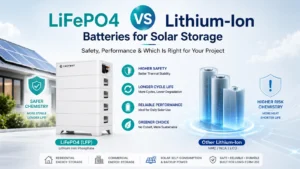
For off-grid solar power systems, I find that Lithium Iron Phosphate (LiFePO4) batteries stand out as the best option. Their thermal stability and safety make them reliable for long-term use. I appreciate that LiFePO4 batteries can last up to 10,000 cycles, which is significantly longer than lead-acid batteries. This longevity means I won’t have to worry about frequent replacements, saving me time and money.
Here are some key reasons why I prefer LiFePO4 batteries for off-grid applications:
- High Round-Trip Efficiency: With efficiencies ranging from 92% to 98%, I can store and use more of the energy I generate.
- Deep Discharge Capability: I can use a larger portion of the battery’s capacity without damaging it, which is crucial for my energy needs.
- Compatibility: These batteries work well with many modern off-grid inverters, such as Victron Quattro and SMA Sunny Island. This compatibility ensures that I can integrate them easily into my existing systems.
In contrast, lead-acid batteries may be suitable for less demanding applications, such as backup power for small appliances. They are often more affordable upfront, but their shorter lifespan and maintenance needs can become burdensome over time. I’ve learned that while they can serve well in specific situations, they don’t offer the same performance and reliability as lithium-ion options.
Ultimately, I recommend considering my energy requirements and long-term goals when choosing an inverter battery. For off-grid solar systems, I firmly believe that LiFePO4 batteries provide the best balance of safety, efficiency, and value.
Environmental Impact of Inverter Batteries
When I consider the environmental impact of inverter batteries, I realize that both lead-acid and lithium-ion batteries have distinct effects. Understanding these impacts helps me make informed choices about which battery to use.
Lead-Acid Batteries
Lead-acid batteries contain toxic materials like lead and sulfuric acid. If not disposed of properly, these substances can harm the environment and human health. Here are some key points I find important:
- Lead exposure can lead to severe health issues, including kidney damage and nervous system problems.
- Sulfuric acid can cause soil acidification and disrupt local ecosystems.
- Recycling lead-acid batteries is crucial. It recovers valuable materials and reduces energy consumption. In developed regions like the EU and the USA, recycling rates reach up to 99%. This high efficiency supports sustainable practices.
However, in developing countries, informal recycling practices can lead to significant pollution. Approximately 86% of lead used in manufacturing comes from recycled sources, highlighting the importance of effective recycling systems.
Lithium-Ion Batteries
Lithium-ion batteries generally have a lower carbon footprint compared to lead-acid batteries. Although lithium mining poses some ecological challenges, the overall lifecycle impact is less harmful. Here’s what I’ve learned:
- Lithium-ion batteries require fewer raw materials for the same energy storage, reducing environmental damage during mining.
- Advances in recycling technologies improve their eco-friendliness. Currently, lithium-ion batteries have a global recycling rate of only 5% to 20%, which is much lower than the 90% recycling rate for lead-acid batteries. This gap shows the need for better recycling solutions.
In summary, I find that lithium-ion batteries outperform lead-acid batteries in several key areas. They offer longer cycle life, higher efficiency, and faster charging times. Here’s a quick comparison:
| Feature | Lithium-ion (LiFePO4) Battery | Lead-acid Battery |
|---|---|---|
| Cycle Life | 2000+ full discharge cycles | ~400 cycles (at 50% depth of discharge) |
| Usable Capacity | Nearly 100% usable capacity | About 50% usable capacity |
| Weight | 10-20% of lead-acid battery weight | Heavier, bulkier |
For users with limited space or higher energy demands, I recommend lithium-ion batteries. They may have a higher upfront cost, but their long-term savings and efficiency make them a wise investment. Conversely, if budget constraints are a priority, lead-acid batteries can still serve well for less demanding applications.
Ultimately, I encourage you to assess your specific needs, including energy requirements, maintenance preferences, and budget. Choosing the right inverter battery can significantly impact your energy management and overall satisfaction.