A Complete Guide to Home Solar Battery Storage Systems
As the world shifts toward renewable energy, home solar systems have become a common sight. But what if you could store the excess sunlight your panels capture and use it after dark or during power outages? That’s where home solar battery storage systems come in. This guide breaks down everything you need to know to navigate the world of home energy storage—from how it works to how to choose the right system for your needs.
What Is a Home Battery Storage System?
A home battery storage system, simply put, is a device that stores the excess electricity generated by your solar panels for later use. Think of it as a “backup tank” for solar energy. Without a battery, any surplus power your panels produce is usually fed back into the grid—often for a small credit on your utility bill. With a battery, you retain that energy, giving you greater control over your electricity usage and reducing your reliance on the grid.
Modern systems are compact, scalable, and designed to integrate seamlessly with both new and existing solar installations. They’re typically lithium-ion based (similar to the batteries in smartphones and electric vehicles) due to their high energy density and long lifespan, though other technologies like lead-acid are still used in some cases.
How Home Solar + Battery Systems Work
The synergy between solar panels and battery storage is surprisingly straightforward. Here’s a step-by-step breakdown of the process:
First, your solar panels convert sunlight into direct current (DC) electricity. This DC power then flows to an inverter, which converts it into alternating current (AC)—the type of electricity used by most household appliances. From the inverter, two things can happen: if your home is using electricity at that moment, the power goes directly to your outlets; if there’s a surplus, the excess energy is sent to the battery for storage.
When the sun goes down, or during peak usage times when your panels aren’t producing enough, the battery kicks in. It sends stored DC power back to the inverter (or a hybrid inverter that handles both conversion and storage), which turns it into AC power for your home. Many systems also come with smart technology that optimizes this process—for example, using stored energy during “peak demand” hours when utility rates are highest to save you money.
Main Components of a Storage System
While home battery systems vary by brand, they all share a few key components:
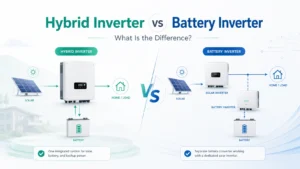
The battery bank is the core of the system, where energy is stored. As mentioned, lithium-ion batteries are the most popular choice here, offering a good balance of capacity, lifespan, and size. The inverter is another critical part—hybrid inverters are preferred for solar + battery setups because they handle both converting solar power for immediate use and charging the battery, eliminating the need for separate devices. A battery management system (BMS) acts as the “brain” of the system, monitoring voltage, temperature, and charge levels to prevent overcharging and ensure safety. Finally, a backup switch (or transfer switch) is essential for emergency situations: it disconnects your home from the grid during a power outage, allowing the battery to power your home without risking utility workers’ safety.
Benefits of Home Energy Storage
The biggest advantage of adding a battery to your solar system is energy independence. You’re no longer at the mercy of grid outages—whether it’s a storm or a planned blackout, your essential appliances (fridges, lights, medical equipment) will keep running. Cost savings are another major draw: by using stored solar energy during peak rate hours, you can cut your monthly utility bills significantly. In some regions, you may also qualify for tax incentives or rebates for installing a battery system, further reducing costs.
From an environmental perspective, battery storage helps maximize the value of your solar panels. Instead of sending excess clean energy back to the grid (where it may be supplemented by fossil fuels), you’re using more of the renewable energy you generate, lowering your carbon footprint. Additionally, as the grid becomes more strained by growing demand, home batteries can act as a “distributed energy resource,” reducing pressure on power plants and improving overall grid reliability.
How to Choose the Right System
Capacity
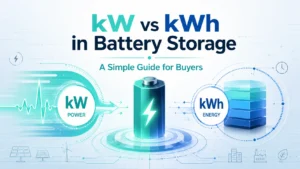
Capacity refers to how much energy the battery can store, measured in kilowatt-hours (kWh). To choose the right capacity, calculate your average daily electricity usage—look at your utility bills for a baseline. A good rule of thumb is to pick a battery that can cover 50-70% of your daily needs, especially if you want backup power during outages. For example, if your home uses 30 kWh per day, a 15-20 kWh battery would be a solid choice. Keep in mind that some systems are modular, meaning you can add more battery packs later if your needs grow.
Power Rating
Power rating, measured in kilowatts (kW), tells you how much electricity the battery can deliver at once. This is crucial for running multiple appliances simultaneously. A “continuous power rating” indicates how much power it can supply for extended periods, while a “peak power rating” is the maximum burst it can handle (useful for starting large appliances like air conditioners). If you want to power your entire home during an outage, look for a system with a continuous rating that matches your home’s peak usage. For just essential appliances, a lower rating (3-5 kW) may suffice.
Safety
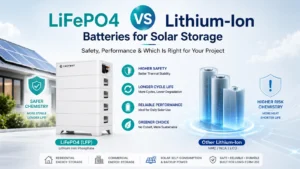
Safety should never be an afterthought. Look for batteries that have been certified by independent organizations like UL (Underwriters Laboratories) or IEC (International Electrotechnical Commission). These certifications ensure the system meets strict safety standards for fire resistance, overcharge protection, and thermal management. Lithium-ion batteries are generally safe, but it’s important to choose a reputable brand with a proven track record—avoid cheap, uncertified systems that may pose fire risks.
Installation and Maintenance Tips
Installation should always be done by a licensed solar professional. They’ll assess your home’s electrical system, choose the best location for the battery (usually a cool, dry area like a garage or basement), and ensure it’s properly connected to your solar panels and grid. Improper installation can void warranties and create safety hazards, so DIY is not recommended.
Maintenance is relatively minimal for modern battery systems. Most lithium-ion batteries require no regular upkeep—just keep the area around the battery clean and well-ventilated. Check the manufacturer’s guidelines for recommended inspections; some systems have built-in diagnostics that alert you to issues via a mobile app. The average lifespan of a home solar battery is 10-15 years, so you’ll likely need to replace it once during the lifetime of your solar panels (which last 25-30 years).
Cost, ROI, and Payback Period
The cost of a home solar battery system varies based on capacity, brand, and installation—typically between $10,000 and $20,000 for a 10-20 kWh system. However, tax credits (like the U.S. federal solar tax credit, which covers 30% of the cost) and state rebates can slash this price by 30-50%. When calculating ROI, consider your monthly energy savings: if a battery saves you $150 per month, it could pay for itself in 5-8 years (after incentives).
Payback periods also depend on local utility rates—areas with high peak demand charges will see faster payback. Additionally, as energy prices rise, your savings will increase over time, making the battery a smart long-term investment. For homeowners planning to stay in their homes for 10+ years, the ROI is particularly strong; even if you sell your home, a solar + battery system can boost resale value.
Home solar battery storage systems are no longer a luxury—they’re a practical way to take control of your energy use, save money, and reduce your environmental impact. By understanding how these systems work, what to look for when choosing one, and the long-term benefits they offer, you can make an informed decision that fits your home and lifestyle. As renewable energy technology continues to advance, the future of home energy is bright—and it’s stored right in your garage.